


Diwali through the ages: From harvest roots to LED-lit celebrations
Once marked by the simple lighting of diyas and modest home decorations, Diwali today is synonymous with affluence and high consumer demand
 "Indian market, Diwali, lights, economy")
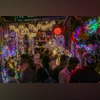
What began as the lighting of lamps, sharing joy, and creating rangoli now involves lavish home decorations, elaborate shopping, and gift-giving. | Photographer: Dhiraj Singh/Bloomberg


Listen to This Article
The festival of lights, Diwali, has changed significantly over the years. At its core, it celebrates the triumph of good over evil, but the way it is observed has transformed from humble agrarian roots into a vibrant, urban, and consumer-driven festivity.
Once marked by the simple lighting of diyas and modest home decorations, Diwali today is synonymous with affluence and high consumer demand, with households often purchasing vehicles, electronics, and luxury items during the festival season. Let's trace how Diwali and the practices surrounding the festival evolved in the last few decades.
Agrarian beginnings
Historically, Diwali coincided with the end of the harvest season, a time when farmers would celebrate the fruits of their labour and seek blessings for prosperity. Rural celebrations were closely intertwined with agricultural cycles, featuring local fairs, traditional dances, and communal gatherings.
The festival revolved around the home, with families lighting oil lamps and decorating their surroundings to invite good fortune and ward off evil spirits. These practices highlighted the social and cultural essence of Diwali, grounded in community and shared joy.
Transformational years: 'Jab ghar ki raunak badhani ho'
With the rise of television and later digital media, Diwali began to take on a new dimension. Brands started launching campaigns that merged traditional values with consumer aspirations, turning the festival into a major commercial event. Paint companies were among the first to do this, linking their products to Diwali home rituals. ALSO READ: Diwali travel demand sets the tone for year-end holiday rush, high fares
Also Read

 "Diwali bloating and digestive issues")
 "Bank Holiday on Diwali 2025")
 "Diwali gift")
 "stock market, growth, investors, investments, brokers, funds")
 "Air India Express, Air India, Boeing")
Asian Paints’ 1992 advertisement, depicting the homecoming of a soldier, celebrated family togetherness and the joy of reunion, while Nerolac’s memorable jingle, “Jab Ghar Ki Raunak badhani ho, Deewaron ko jab sajana ho…”, encouraged people to enhance their homes during the festival. These campaigns tapped into nostalgia and familial sentiment, setting the tone for how brands would engage with Diwali audiences for decades to come.
Modern-day celebrations: Digital and dazzling
What began as the lighting of lamps, sharing joy, and creating rangoli now involves lavish home decorations, elaborate shopping, and gift-giving. E-commerce giants like Amazon and Flipkart have transformed Diwali into a nationwide shopping festival, with mega sales driving spikes in electronics, jewellery, clothing, and lifestyle products.
Brands often craft creative campaigns that blend storytelling, emotion, and aspiration. Swiggy’s “Yeh Diwali, Khaali Haath Kisiko Waapas Nahi Bhejtey Hain!” captures the spirit of giving. The advertisement follows a young boy delivering gifts to his neighbours, culminating in a family moment that highlights kindness and connection.
Tradition meets consumerism
Even though Diwali has become more consumer-oriented, it continues to be rooted in its traditional values of togetherness, joy, and the triumph of good over evil, themes that brands often highlight in their campaigns.
For example, Ghadi Detergent’s Diwali campaign reminds viewers that the festival is not just about cleaning homes but also about nurturing respect and gratitude for those who work for them. Whereas Amazon Prime’s “Kahaaniyon Wali Diwali” adds yet another layer, showing how storytelling itself can be a celebration, as a visually impaired father explains the festival to his son, blending imagination, history, and emotional depth.
Over the decades, Diwali has transformed from a celebration rooted in agriculture and community into an urban festival that balances tradition with modern consumerism. The simple glow of earthen lamps now coexists with LED lights, shopping sprees, and digital storytelling.
More From This Section
 "cough syrup")
 "Trump Tower")
 "festival travel, air travel")
 "FMCG companies, GST Revamp, GST gradually to be reduced")
 "CINEMA, CINEMA HALL, BOX OFFICE, MULTIPLEX")
Topics : Diwali Diwali sales Diwali business Diwali impact Diwali Celebration Consumer demand auto demand BS Web Reports
Don't miss the most important news and views of the day. Get them on our Telegram channel
First Published: Oct 17 2025 | 11:38 AM IST