


Gadkari blames petroleum "lobby" for fuelling concerns over E20 rollout
Since the rollout of the E20 blend, concerns have been raised that it may reduce vehicle mileage, affect engine life, and increase costs
 "Nitin Gadkari, Nitin, Gadkari")
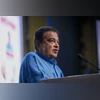
Nitin Gadkari also stated India spends around ₹22 trillion annually on fossil fuel imports, which also contribute to rising pollution levels. (Photo: PTI)
Listen to This Article
Union Road Transport and Highways Minister Nitin Gadkari on Wednesday blamed the petroleum lobby for widespread concerns over the government’s push for E20 fuel, which has an 80:20 petroleum–ethanol blend, reported PTI.
“Everywhere there are lobbies, there are interests... petrol lobby is very rich,” Gadkari said at an event in New Delhi, responding to criticism on social media about possible engine-related issues with E20. The Centre introduced the blend in 2023 and rolled it out nationwide in 2025.
According to a media release by the Ministry of Petroleum and Natural Gas earlier this year, India achieved the 20 per cent ethanol blending target five years ahead of the original 2030 deadline.
However, since its mandatory rollout, car owners have complained that the blended fuel may reduce mileage, damage engine parts, and increase maintenance and replacement costs.
Also Read

 "Nitin Gadkari, Nitin, Gadkari")
 "Nitin Gadkari, Nitin, Gadkari")
 "Edible oil")
 "Nitin Gadkari, Union Minister of Road Transport and Highways, at the Business Standard Infrastructure Summit")
Fossil fuels cause pollution, EVs are the future
At the event, Gadkari defended E20 as a climate- and budget-friendly option, stressing that the government spends about ₹22 trillion annually on more-polluting fossil fuel imports. He said the E20 blend reduces pollution and highlighted efforts to promote flex-fuel engines in agricultural equipment and accelerate electric mobility.
He also noted that Indian firms are producing electric cars, buses, and trucks at competitive costs, with battery prices declining steadily. “The cost of lithium-ion battery is also reducing. In due course of time, the price of petrol, diesel vehicles and electric vehicles (EV) will be the same,” he said.
Gadkari acknowledged the gap in manufacturing capacity and demand for electric buses in India, pointing out that capacity currently stands at 50,000–60,000 units annually, against a requirement of 100,000 buses. “We need to increase production of electric buses... There is a huge market for exports also. This is the opportunity for electric vehicle companies,” he added.
Indian auto industry aims for global leadership
The minister also highlighted the growth of the auto sector, which he said has expanded from ₹14 trillion when he assumed charge to ₹22 trillion today. He emphasised the presence of trained auto workers and leading automobile companies in India, asserting that the country aims to become the world’s largest automobile industry within five years.
“Within five years, our target is to make India’s automobile industry the number one in the world... it is difficult, but not impossible,” Gadkari said.
More From This Section
 "IDBI Bank")
 "Insurance")
 "High-rise building")
 "BSE, NSE, STOCK MARKETS")
 "Shrimp")
Topics : Nitin Gadkari ethanol production Petrol-ethanol ethanol blending programme Ethanol blending BS Web Reports
Don't miss the most important news and views of the day. Get them on our Telegram channel
First Published: Sep 10 2025 | 6:53 PM IST