


Luxury cars, SUVs to cost more
Duty blow to hit SUV-maker Mahindra & Mahindra the most
)
Automobile companies such as BMW, Audi and Mercedes-Benz and a range of performance and supercar manufacturers that import large vehicles for sale in India will be charged an additional 25 per cent on such vehicles.
The customs duty on engine capacity exceeding 3,000cc for petrol-run vehicles and more than 2,500cc for diesel-run ones has been raised from 75 per cent to 100 per cent. This will likely translate into a hike of anywhere between Rs 25 lakh and Rs 1 crore, after the imposition of additional local levies.
Customs duty on motorcycles with engine capacity of 800cc or more has also been increased from 60 per cent to 75 per cent. US-based premium bike Harley-Davidson and some imported models of Honda, Yamaha and Suzuki are all set to get dearer.
However, according to Atul Gupta, vice-president (sales and marketing), Suzuki Motorcycle India, this is unlikely to affect demand. "While the raise in customs duty is not helpful, we do not envisage a significant impact on demand in the 800cc-plus category. As of now, we will not increase the price of Suzuki superbikes. Given the considerations that go into the purchase of a superbike, we do not foresee a significant change in market size or demand patterns," said Gupta.
Swanky cars and other luxury vehicles have been the favourite target of the finance minister. In the last Budget, customs duty on this segment of cars was raised to 75 per cent from 60 per cent, which resulted in an upward revision of Rs 20-40 lakh on models such as Ferrari, Aston Martin, Lamborghini and Rolls Royce.
Suhas Kadlaskar, director (corporate affairs), Mercedes-Benz India, said the additional tax burden introduced this year is not positive for the auto industry. "It would be counter-productive for an industry which is going through a bad phase," he said. Mercedes and Audi will pass on the hike to their customers.
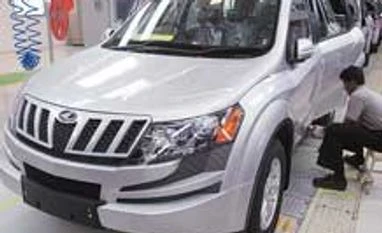
Excise duty on SUVs, which have been labelled as fuel guzzlers, has been raised by three per cent. It has been increased from 27 per cent to 30 per cent. However, those registered as taxis will not have to bear the additional tax burden. Mumbai-based SUV maker and market leader Mahindra & Mahindra will suffer the most. Prices of the country's top-selling SUVs �" Mahindra XUV500 and Scorpio, Renault Duster and Toyota Fortuner �" will go up. Last year too, excise duty was raised on all models of over four metres in length.
Joginder Singh, president and managing director of Ford India, said, "As we all know, the automotive industry has been going through very challenging times. We are disappointed with the increase in the excise duty for SUVs." Currently, utility vehicles is the only segment reporting robust growth, despite a downward trend in car sales. In the April-January period, the segment saw a growth of 57 per cent with sales of more than 450,000 units.
Compact SUVs with small engines and less than four meters in length �" many of which are lined up for launch by Maruti Suzuki, Mahindra & Mahindra, Ford, Honda and Tata Motors �" will not be impacted by this increase.
Additional taxes are expected to put further pressure on the envisaged growth of passenger vehicles, which was down to 6.8 per cent during April-January period this year to 2.20 million units. Industry body Society of Indian Automobile Manufacturers (Siam) is expecting a modest zero to one per cent growth for this year.
The government has proposed to buy 10,000 additional buses under the Jawaharlal Nehru National Urban Renewal Mission (JNNURM), which is being continued in the 12th Plan. Out of the proposed Rs 14,873 crore provided for JNNURM, a significant portion will be used to purchase buses used especially in the hill states.
Mumbai-based Tata Motors and bus market leader Ashok Leyland will likely be the biggest beneficiaries of this purchase order. During 2009-12, the government sanctioned the purchase of 14,000 buses under this scheme.
Don't miss the most important news and views of the day. Get them on our Telegram channel
First Published: Mar 01 2013 | 12:38 AM IST