


Tata Steel-ThyssenKrupp merger: EU starts in-depth investigation
The two are major integrated producers of flat carbon steel and electrical steel, with significant production facilities in the European Economic Area (EEA), in particular in Germany, the Netherlands
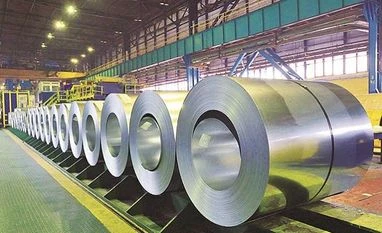 "Tata Steel")
premium
Tata Steel
The European Union on Tuesday launched an “in-depth investigation” to assess if Tata Steel’s proposed joint venture (JV) with German steel giant ThyssenKrupp would breach the bloc’s merger regulations and reduce competition.
The two are major integrated producers of flat carbon steel and electrical steel, with significant production facilities in the European Economic Area (EEA), in particular in Germany, the Netherlands and the UK.
In June, Tata Steel had confirmed it agreed the terms of a 50-50 JV with ThyssenKrupp to create Europe’s second-largest steel company after Lakshmi Mittal’s ArcelorMittal. “The European Commission has opened an in-depth investigation to assess the proposed creation of a joint venture by Tata Steel and ThyssenKrupp,” the European Commission, the executive arm of the 28-member economic bloc, said in a statement.
At this stage, the Commission said it is concerned that the merger between the two may reduce competition in the supply of various high-end steels. “Steel is a crucial input for many of the goods we use in our everyday life, and competitive steel prices are vital for the European economy,” said Margrethe Vestager, Commissioner in charge of the EU's competition policy. “Industries dependent on steel employ over 30 million people in Europe and we must be able to compete in global markets. This is why we will carefully investigate the impact of the planned combination of steel businesses on effective competition in the steel markets.”
The European Commission said its initial market investigation raised several issues, relating in particular to combining both companies' offer of certain specialty flat carbon steel and electrical steel products.
The two are major integrated producers of flat carbon steel and electrical steel, with significant production facilities in the European Economic Area (EEA), in particular in Germany, the Netherlands and the UK.
In June, Tata Steel had confirmed it agreed the terms of a 50-50 JV with ThyssenKrupp to create Europe’s second-largest steel company after Lakshmi Mittal’s ArcelorMittal. “The European Commission has opened an in-depth investigation to assess the proposed creation of a joint venture by Tata Steel and ThyssenKrupp,” the European Commission, the executive arm of the 28-member economic bloc, said in a statement.
At this stage, the Commission said it is concerned that the merger between the two may reduce competition in the supply of various high-end steels. “Steel is a crucial input for many of the goods we use in our everyday life, and competitive steel prices are vital for the European economy,” said Margrethe Vestager, Commissioner in charge of the EU's competition policy. “Industries dependent on steel employ over 30 million people in Europe and we must be able to compete in global markets. This is why we will carefully investigate the impact of the planned combination of steel businesses on effective competition in the steel markets.”
The European Commission said its initial market investigation raised several issues, relating in particular to combining both companies' offer of certain specialty flat carbon steel and electrical steel products.