


India, EU talks on FTA expected to make headway
Reduction on import duty in the auto sector & raise in the FDI cap for the insurance sector are high on EU's demands
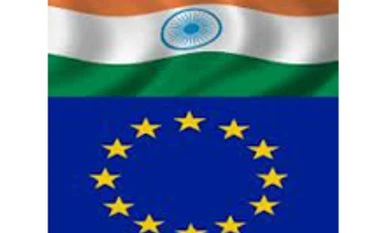)
Crucial talks between India and the European Union on their proposed free trade agreement (FTA) get under way here amidst new optimism that a deal could be reached before the end of this year.
Union Commerce and Industry Minister Anand Sharma is scheduled to meet EU trade commissioner Karel De Gucht and other top officials later in the day in an attempt to take forward the six-year long negotiations.
The talks are currently bogged down in disputes over EU demands to raise the equity cap on FDI in India's insurance sector, reducing the tariffs on imports of automobiles, protection of intellectual property rights (IPR) and other issues.
India has been seeking greater access for its services sector in the 27-nation EU and it is also concerned that the EU demands for stricter implementation of the IPR rules might affect the country's generic industry or force the country to amend its patent law.
India's demands for granting data secure status by the EU and incorporating an investment protection clause in the FTA are expected to figure in the discussions here on Monday. The EU has so far refused to give India data secure status and this has prevented the flow of sensitive data, including those information vital for India's IT services industry.

New hopes for a successful conclusion of the negotiations between India and its largest trading partner were raised after the EU's largest economy Germany last week voiced its support for an early signing of the FTA. German Chancellor Angela Merkel and Minister for Economy and Technology Philipp Roesler have spoken in favour of signing of the FTA before the end of this year."An early signing of the FTA, if possible this year itself, will be in the interest of both countries," Roesler told a meeting with Sharma ahead of the official opening of the second inter-governmental consultations between the two countries in Berlin. A successful trade pact between India and the EU will be an important step towards enhancing bilateral economic cooperation and trade, he said.
However, Roesler raised German industry's concerns that patent protection is no longer sufficiently guaranteed in India and stressed that dependable conditions are necessary for investments by German companies in India.
Chancellor Merkel had said after the recent two-day consultations jointly chaired with Prime Minister Manmohan Singh that the insurance cap is still an important issue. "We have not yet overcome all the difficulties, but the two countries are now in a position to reach an agreement, she said.
In a joint statement at the conclusion of Indian PrimeMinister's three-day visit last week, the two leaders expressed their hope for a broad-based, ambitious and balanced FTA in 2013.
The remaining sticking points in the India-EU trade negotiations after 15 rounds of negotiations include the EU demands that India should raise its equity cap on FDI by foreign insurance companies and banks from 26 to 49% and India should reduce its import duties on automobiles.
Not much progress on these contentious issues at the last round of negotiations could be made between the chief negotiators of the two sides held last month in Brussels.
A comprehensive bilateral trade and investment agreement (BTIA) between India and the EU is expected to give a big boost to the trade between the two sides and to enhance European investments in India. The two-way trade between India and the EU crossed $91 billion in 2010-2011.
Medical relief agencies and human rights organisations have raised concern that the EU might seek changes to the Indian patent law.
This is in the wake of the recent Supreme Court verdict rejecting the patent right of Swiss pharmaceutical company Novartis for its cancer drug Glivec and the Intellectual Property Appellate Board (IPAB) ruling early last month upholding the compulsory licence issued by the Indian Patent Office to domestic drug-maker Natco Pharma to manufacture and sell a generic copy of German drug company Bayer's patented cancer drug Nexavar.
The EU had denied that it is seeking any changes to India's laws on intellectual property rights and claimed that it is demanding India nothing more than to implement its commitments under the trade related intellectual property rights (TRIPS) agreement of the World Trade Organisation.
Don't miss the most important news and views of the day. Get them on our Telegram channel
First Published: Apr 15 2013 | 12:53 PM IST