


Govt announces additional incentives to exporters, widens MEIS ambit
Number of export items given incentives increased to 7,913 from the current 5,012
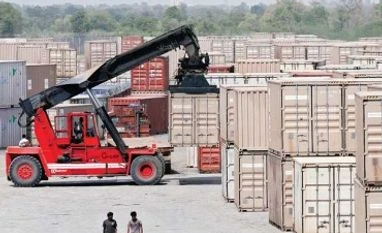 "Govt announces additional incentives to exporters; widens MEIS ambit")
The government on Thursday announced additional incentives worth Rs 1,500 crore for exporters to help them fight the continued slowdown in global demand.
The Merchandise Exports from India Scheme (MEIS) has been beefed up with the number of tariff lines or export products covered going up from 5,012 to 7,913. The rate of incentives has also been increased for certain products.
“The total support extended by the Centre under the scheme has been enhanced from the present Rs 22,000 crore to Rs 23,500 crore per annum,” the commerce ministry stated.
Under MEIS, which was introduced in April 2015, exporters get duty-free scrips to import input goods, which go into the production of export items.
The percentage of duty credits earned is based on a percentage of value of their exports — currently pegged at fixed rates of two per cent, three per cent, and five percent depending on the product and country.
The earned scrips can be freely transferred to others or sold. Exporters have continued to maintain that more government help is needed to sustain India’s falling outbound trade.
Merchandise exports fell for the second consecutive month in August, going down by a marginal 0.30 per cent. Due to a global fall in commodity prices and sluggish demand, exports had contracted for 19 consecutive months till May this year, before rising marginally by 1.27 per cent only once in June.
Welcoming the expansion in the number of products covered, S C Ralhan, president of the Federation of Indian Export Organisations, said higher rates will lead to added competitiveness. MEIS covers about 70 per cent of the total tariff plan traded by the country, up from 46 per cent earlier.
There are 2,901 additional products falling under different categories, which include processed goods, marine products, sea feed items, onion dried, industrial products such as engineering goods, fabrics, garments and chemicals, among others.
The annual resource allocation under MEIS had been enhanced once before – from Rs 18,000 crore to Rs 21,000 crore in October 2015.
The rate of incentives under the scheme for 575 products has also been increased. These include iron and steel, ceramic, glass, industrial machinery, machine tools and rubber products, among others.
In June, the government had relaxed the norms for claiming duty benefits by exempting merchandise exporters from mandatory submission of landing bills.
The Merchandise Exports from India Scheme (MEIS) has been beefed up with the number of tariff lines or export products covered going up from 5,012 to 7,913. The rate of incentives has also been increased for certain products.
“The total support extended by the Centre under the scheme has been enhanced from the present Rs 22,000 crore to Rs 23,500 crore per annum,” the commerce ministry stated.
Under MEIS, which was introduced in April 2015, exporters get duty-free scrips to import input goods, which go into the production of export items.
The percentage of duty credits earned is based on a percentage of value of their exports — currently pegged at fixed rates of two per cent, three per cent, and five percent depending on the product and country.
The earned scrips can be freely transferred to others or sold. Exporters have continued to maintain that more government help is needed to sustain India’s falling outbound trade.
Merchandise exports fell for the second consecutive month in August, going down by a marginal 0.30 per cent. Due to a global fall in commodity prices and sluggish demand, exports had contracted for 19 consecutive months till May this year, before rising marginally by 1.27 per cent only once in June.
Welcoming the expansion in the number of products covered, S C Ralhan, president of the Federation of Indian Export Organisations, said higher rates will lead to added competitiveness. MEIS covers about 70 per cent of the total tariff plan traded by the country, up from 46 per cent earlier.
There are 2,901 additional products falling under different categories, which include processed goods, marine products, sea feed items, onion dried, industrial products such as engineering goods, fabrics, garments and chemicals, among others.
The annual resource allocation under MEIS had been enhanced once before – from Rs 18,000 crore to Rs 21,000 crore in October 2015.
The rate of incentives under the scheme for 575 products has also been increased. These include iron and steel, ceramic, glass, industrial machinery, machine tools and rubber products, among others.
In June, the government had relaxed the norms for claiming duty benefits by exempting merchandise exporters from mandatory submission of landing bills.

Don't miss the most important news and views of the day. Get them on our Telegram channel
First Published: Sep 23 2016 | 12:35 AM IST