Tensions between the US and Iran have heightened since US President Donald Trump ordered the assassination of top-ranking Iranian General Qasem Soleimani last week. This has worsened after Iran attacked US bases in Iraq on Wednesday.
The looming threat of all-out war has sent global crude oil prices soaring beyond $70 per barrel, a four-month high.
With the US asking all friendly nations to further cut economic ties with Iran, the External Affairs Ministry feels the deal with Iran should be put on the back burner for now. The Prime Minister’s Office (PMO) feels the same way and the Commerce Department will be informed about this, a senior official said.
Four rounds of negotiations were completed on the preferential trade agreement (PTA) so far, with the last one was held in March, 2019 in Tehran where both countries discussed a draft text of the pact, Iranian diplomatic sources confirmed. But the next round, slated to be held in New Delhi, never materialized after Trump separately dismantled the Iran deal. US pressured India to pull out of all bilateral discussions with Iran.
A bilateral investment protection agreement and a double taxation avoidance agreement were also under discussion. Tehran was confident of signing off on all three by 2019 end, Ali Chegeni, Iranian ambassador to India, had told Business Standard. On Wednesday, Chegeni welcomed any initiative by India to de-escalate the situation.
Source : Commerce and Industry Ministry
After pulling out of the Regional Comprehensive Economic Partnership pact in November, India has focused on bilateral pacts with the US and the European Union. Commerce department officials said they were also expediting other proposed bilaterals such as the one with Iran. Policymakers were hopeful of the deal falling quickly into place because PTAs do not involve lengthy discussions.
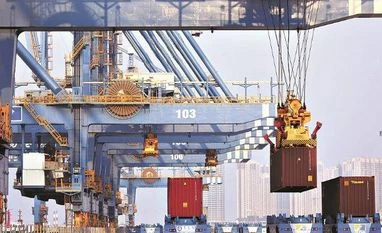
The pact would have opened the Iranian market to Indian exports and strengthened Iranian investments in the international port of Chabahar, one of New Delhi's key strategic assets in West Asia.
“Escalation of tensions between the US and Iran will have implications for India’s exports to the nation,” Sharad Kumar Saraf, president of the Federation of Indian Exports Organizations (FIEO), said. FIEO said Iran was a key trading partner, and the sanctions on the country meant Iranian shipping lines were currently only taking Indian consignments.
Exports to Iran stood at $3.51 billion as of 2018-19, rising for the third consecutive year. India is the fifth largest source of imports for Iran, and sixth largest destination for exports. Saraf said Iran holds huge export opportunities in sectors such as agriculture, chemicals, machinery, pharmaceuticals, paper products, man-made fibre.
While Indian exports of man-made textiles are increasing slowly, Indian firms have been unable to use market access in pharmaceuticals, FIEO told the government. Through the PTA, India aimed to remove duties on certain strategic exports to Iran, hoping to beat the Chinese in the process. However, imports were $13.52 billion, thanks to a high volume of crude oil.
However, the proposed deal did not include tariff reduction or special arrangement for crude oil. Officials said recent developments might not lead to reduction in petroleum supply to India, even if prices go up. According to the government estimates, if crude oil prices change by $1 a barrel, India’s import bill will increase by Rs 6,328 crore.
India stopped procuring crude from Iran in May. Official data showed oil imports from the country was 1.7 million tonnes (mt) in Decam,be 2019-20 (financial year 2020 or FY20), constituting 10 per cent of total crude imports, down from about 24 mt in FY19.
India has stepped up procurement from the US in the meanwhile. The oil ministry plans to leverage growing imports from Saudi Arabia, Iraq and the United Arab Emirates to make up for the lack of Iranian crude, sources say.


 "Port")

