


Global food prices down on record high output, inventory
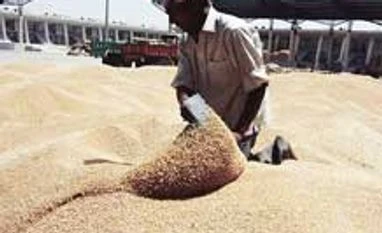)
Global food prices declined in January on ample supply aided by record production and inventory in the ongoing harvesting season.
Data compiled by the Food and Agricultural Organization (FAO) of the United Nations reported a 1.9 per cent decline in the food price index at 182.7 points for January. Lower prices reflect record high global cereal production in 2015.
World cereal production is estimated at around 2.5 billion tonnes. Early indications for 2015 crops are favourable. Plantings of the 2015 winter wheat crops in the northern hemisphere were generally completed under propitious weather conditions with larger plantings in North America and the Near East, outweighing decreases in the Russian Federation and parts of Far East Asia.
The 2015 maize crop conditions in the southern hemisphere are also satisfactory although lower prices resulted in some reductions in plantings in South America. As for rice, plantings of the 2015 crops have been hindered by excessive rains in South America and in Sri Lanka, while drought curbed the area under rice in Australia, the FAO study said.
Total utilisation of world cereal in 2014-15 is estimated at 2.4 billion tonnes, 2.2 per cent (53 million tonnes) higher than in 2013-14. This means, global cereal stocks by the close of seasons in 2015 are forecast at 623 million tonnes, 46 million tonnes or eight per cent above the volume carried over from 2014.
The food index, meanwhile, has been on a downward path since April 2014. The decline in January was partly influenced by robust inventories, continued strength in the US dollar and weak crude oil prices. The food price index is a trade-weighted index that tracks prices of five major food commodity groups on international markets. It aggregates price sub-indices of cereals, meat, dairy products, vegetable oils and sugar.
The global food stocks and situation monitoring agency reported cereal price index down 3.6 per cent to average at 177.4 points in January, a massive 34 per cent below its June 2008 peak. International wheat prices fell seven per cent from December, reflecting ample supply conditions. Also, Vegetable Oil Index also fell significantly to 156.0 points, down 2.9 per cent from the previous month and is now at its lowest level since October 2009. The decline was driven largely by ample supplies of soy oil and lower crude oil prices, which erode the attractiveness of using vegetable oils for biodiesel.
However, the Dairy Price Index was stable in January, averaging 173.8 points as rising butter prices offset a decline in prices for cheese and skimmed milk powders. Also, Sugar Price Index averaged 217.7 points, virtually unchanged from December 2014.

Don't miss the most important news and views of the day. Get them on our Telegram channel
First Published: Feb 05 2015 | 10:33 PM IST