


TCS reshapes delivery model as GenAI, ChatGPT redefine Indian IT growth
TCS cuts over 12,000 jobs as Indian IT pivots to GenAI, automation and leaner delivery teams. Hiring slows across top firms as margins, skills, and productivity take precedence
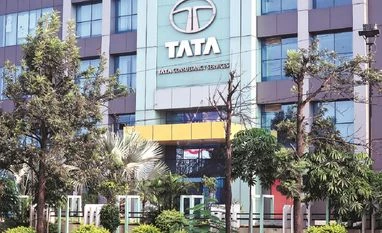 "TCS, Tata Consultancy Services")
Fewer hires, more AI: TCS and peers overhaul delivery models in FY26 | File Photo


Listen to This Article
Tata Consultancy Services (TCS) has laid off over 12,000 employees, mainly mid- to senior-level managers, as it aligns its operations for the generative AI (GenAI) era. The move, coming at a time when tools like ChatGPT are rapidly transforming service delivery in the IT sector, marks a strategic shift towards agility, automation, and higher productivity per employee.
The restructuring is part of a broader trend among Indian IT majors to recalibrate delivery models shaped over decades by a pyramid-style workforce structure. In today’s environment, where GenAI and automation are becoming integral to software development, testing, and support, firms are opting for leaner teams equipped with advanced digital skills.
What’s changing in IT delivery models?
AI is no longer just a buzzword. Indian IT firms are rethinking how work is done and who does it. Key changes include:
- Fewer hires, more automation: Tasks that once needed large teams are now handled by AI and automation platforms.
- Focus on skills, not headcount: Instead of hiring more people, companies are training or hiring for niche skills, like AI, cloud computing, and cybersecurity.
- Rethinking the pyramid: The traditional model of hiring thousands of freshers every year is being replaced by leaner, more skilled teams.
Why TCS made the cuts
TCS’ move reflects an evolving delivery approach where efficiency is being prioritised over hiring-fuelled expansion. As large language models and AI platforms take over routine functions, companies no longer need to maintain vast benches of mid-level talent. TCS and Infosys are embedding generative AI into core operations. Nearshoring and digital delivery centres are expanding to reduce cost overheads.
Also Read

 "TCS, Tata Consultancy")
 "IT industry to grow 3.8% in FY24 to cross $250 billion, says Nasscom")
 "IT SERVICES, IT SECTOR")
 "AI WORKER, AI EMPLOYEE, artificial intelligence")
 "Life insurance corporation, LIC")
This change is particularly visible in how firms approach hiring and workforce planning.
Most affected are employees with 9-17 years of experience, often in roles like project management and support, which were built for older delivery models that AI is now replacing.
While TCS mentioned future readiness, analysts say the decision also helps:
- Improve operating margins, which have stayed below target.
- Reduce excess capacity hired during the pandemic years (FY21–22).
TCS is not alone in its efforts. Infosys, Wipro, and HCLTech have also either slowed down hiring or begun streamlining roles.
What about other IT majors?
Others are making similar moves include:
- Infosys: Slowed down fresher hiring, onboarded 15,000 freshers in FY25 — far below its average annual hires, tightened trainee assessments.
- Wipro & HCLTech: Selective hiring, cautious additions despite stable revenue.
Revenue per employee is rising across the board, showing that firms are producing more with less.
Numbers behind the shift
TCS: Q1 FY26 revenue inched up 1.3 per cent to ₹63,437 crore, net profit increased 5.9 per cent
Infosys: Revenue up 7.5 per cent, hiring slowed
HCLTech: Highest growth at 8.1 per cent, but hiring moderated
What this means for workers
Mid-career roles will remain under pressure unless they evolve with the technology. Overall hiring trends show:
- Fewer project managers and support roles
- Selective hiring of junior engineers and specialists in areas like AI, cloud, and cybersecurity
- Focus shifting to per-employee productivity over bulk hiring. Top firms are seeing an uptick in revenue per employee following this tech-driven approach.
This also means that reskilling has become even more critical as employees must now stay updated with new tools and AI platforms to stay relevant.
AI driving the shift
GenAI tools, like ChatGPT, seem to be driving the shift as they allow companies can do more with fewer people, and clients are expecting faster, smarter solutions. Some of the tasks GenAI is capable of taking over include:
- Write and test code
- Handle customer queries
- Monitor infrastructure
- Automate routine processes
This translates to companies investing in internal tools powered by large language models (LLMs), while simultaneously, AI-led platforms are being deployed at scale.
As LLMs and AI platforms take over routine functions, companies no longer need to maintain vast benches of mid-level talent. This change is particularly visible in how firms approach hiring and workforce planning.
Labour concerns and regulatory response
This switch between company hiring trends has not gone unnoticed. TCS has been asked to meet the Labour Ministry on August 1, following complaints about delays in onboarding 600 experienced hires.
What analysts are watching
With stabilised attrition and fewer hires, analysts are tracking how IT firms protect margins through smarter resource use. Key metrics include:
- Subcontractor expenses
- Utilisation rates
- Employee cost as a percentage of revenue
Even top performers such as HCLTech are curtailing hiring. Infosys has forecast just 0–3 per cent revenue growth for FY26, marking a sharp departure from earlier optimism.
The big question: Will demand recover in the second half of FY26, or have client budgets been permanently recalibrated?
Bottom line
Indian IT’s delivery model is being re-engineered for efficiency, not expansion. The pivot to automation, AI-driven delivery and leaner staffing structures marks a strategic overhaul, not a temporary adjustment.
More From This Section
 "BluSmart funding news, BluSmart revival plans, climate funds investing in BluSmart, BluSmart electric mobility investment, BluSmart Eversource Capital deal, BluSmart distress funding, BluSmart EV ride hailing, clean energy investment India, BluSmart")
 "indigo airlines, indigo")
 "Decathlon")
 "Brigade Hotels")
 "Nayara")
Topics : Artificial intelligence TCS Tata Consultancy Services layoffs Tata Consultancy Services IT layoffs Indian IT jobs IT jobs crisis IT jobs BS Web Reports ChatGPT
Don't miss the most important news and views of the day. Get them on our Telegram channel
First Published: Jul 29 2025 | 3:58 PM IST