


US rejects India's WTO claim on auto tariffs, cites security grounds
US says Trump auto tariffs were imposed on national security grounds and cannot be challenged as safeguard measures under the World Trade Organisation rules
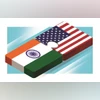 "India US trade, US import tariffs 2025, reciprocal tariffs India, Indian exporters US, apparel export India, 90-day tariff pause, US India trade relations, export challenges tailor-made goods, US tariff impact India, Indo-US apparel trade")
India has no right to retaliate on auto tariffs, says US at WTO
Listen to This Article
The United States has insisted that the Trump administration’s tariffs on auto and auto parts were enacted on national security grounds and are not subject to retaliatory action. The comments come in response to India’s claim that its automobile-related tariffs fall under “safeguard measures” as defined by the World Trade Organisation (WTO).
The communication was made in response to India’s WTO notification signalling its intent to impose retaliatory duties on select US goods. India has claimed that the 25 per cent tariffs imposed by the Trump administration on automobile imports meet the definition of safeguards under WTO rules—temporary protections allowed to shield domestic industries from import surges.
US says safeguard rules don’t apply
In a formal communication dated July 17, the US reiterated its stance that the 25 per cent tariffs on autos and auto parts, imposed under Section 232 of the Trade Expansion Act, are rooted in domestic security concerns rather than protectionist motives. Concluding that the measure, therefore, does not fall within the scope of the WTO’s Agreement on Safeguards.
“These actions are… not safeguard measures,” the US said in the submission. “Accordingly, there is no basis for India’s proposal to suspend concessions or other obligations under the Agreement on Safeguards with respect to these measures.”
The US, however, has said it will not engage in discussions on the matter under the Safeguards Agreement framework and further accused New Delhi of failing to meet procedural obligations under that agreement, including consultation requirements.
Also Read

 "Trade")
 "WTO, World Trade Organisation")
 "WTO, World Trade Organization")
 "European Union, EU, EU TRADE")
 "WTO, World Trade Organization")
Washington also accused India of failing to fulfil required procedural steps under the agreement, including prior consultations. It said it would not entertain discussions on the issue under the safeguards framework.
India calls move is procedural, WTO-compliant
Indian officials dismissed the criticism, stating that the filing was procedural and consistent with existing WTO rules. While New Delhi has not specified which US imports might face higher duties, the notice is seen as strategic signalling amid ongoing bilateral trade negotiations.
“This doesn’t impact our current negotiations,” said an Indian official, referring to the fifth round of US-India trade talks underway in Washington.
India challenges steel, aluminium tariff
This is not India’s first attempt to challenge Section 232 tariffs. Earlier this month, it revised a similar notification in response to the US raising steel and aluminium duties to 50 per cent. In 2019, India imposed retaliatory tariffs on 28 US goods, including almonds, apples, and chemicals, after earlier rounds of Section 232 duties.
While the WTO allows retaliatory actions in response to safeguard measures, the distinction becomes murkier when tariffs are imposed on national security grounds — a justification that has become increasingly common in global trade disputes. Legal experts say the WTO has yet to clearly define the boundaries of such claims, leaving countries to interpret the rules through their own lenses.
Trump tariffs and policies
Trade relations with the US have entered into chaos since Donald Trump returned to office and began imposing tariffs on a long list of trading partners. In April, the White House introduced a universal 10 per cent baseline tariff on most imports, with “reciprocal” tariffs of up to 70 per cent targeting specific countries.
Trump then imposed a 90-day pause, set to lapse on July 9, as markets started to crash. While some countries were granted extensions until August 1 to conclude trade deals, India has yet to reach an agreement. Negotiations remain ongoing, despite earlier expectations that New Delhi would be among the first to finalise a bilateral deal under Trump’s renewed trade agenda.
[With agency inputs]
More From This Section
 "Mobile phones, smartphones, Factory workers, workshop, employment, jobs, unemployment")
 "carbon emission, co2, air pollution")
 "US trade deals, India trade policy, US India relations")
 "FDI")
 "RBI, Reserve Bank of India")
Topics : World Trade Organization WTO India US India relations US trade deals Trump tariffs US President Donald Trump BS Web Reports
Don't miss the most important news and views of the day. Get them on our Telegram channel
First Published: Jul 18 2025 | 1:43 PM IST