


Green card for spouse in 2025? 'Almost impossible,' say immigration experts
Family-based immigration in US is likely to be hit the hardest under Trump administration
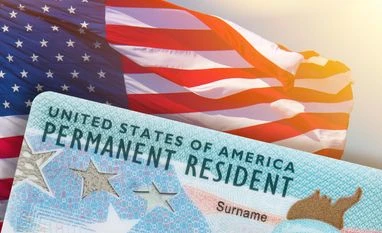 "US green card, US Passport, US immigration")
Getting a green card for your spouse in 2025 will be, in many cases, painfully slow. Photo: Shutterstock
Listen to This Article
Are you a US citizen or green card holder with a foreign spouse? Getting a green card for your spouse in 2025 may soon become nearly impossible, according to immigration attorneys.
Why the delays are growing
In a social media post on March 24, 2025, Abhisha Parikh, a US-based immigration attorney, said the US Citizenship and Immigration Services (USCIS) is now requiring interviews for all cases.
“USCIS is requiring interviews for all cases, increasing backlogs. Plus, a hiring freeze at immigration agencies means fewer officers and more delays—potentially stretching processing times to two years or more,” said Parikh.
Recent policy changes under the Trump administration have added to the delays. On February 18, 2025, the State Department changed the eligibility criteria for the visa interview waiver programme.
Also Read

 "US President Donald Trump")
 "US Citizenship and Immigration Services")
 "H1B visa")
 "US travel ban, travel ban")
 "Fraud, Scam")
Changes include:
— Removing the interview waiver for first-time H-2 visa applicants
— Reducing the renewal window for certain visa categories from 48 months to 12 months
This means more people now need to attend in-person interviews, which is expected to lengthen visa wait times worldwide.
Just a few days earlier, on February 14, 2025, USCIS issued a memo announcing an agency-wide hiring freeze. With fewer officers available, the backlog of pending applications has grown even further.
What immigration attorneys are saying
“Getting a green card for your spouse in 2025 will be, in many cases, painfully slow—if not virtually impossible,” said Jacob J Sapochnick, a San Diego-based immigration attorney, in a video post earlier this month.
He pointed to embassy and consulate closures, mass layoffs of consular officers and immigration agents, and even dismissals of immigration judges as part of the problem.
“Family-based immigration is likely to be hit the hardest. If the government follows through with the plan outlined in the ‘One Voice’ memo, things are going to get far worse,” he said.
The “One Voice” memo proposes a cut in overseas staff, including consular and local employees. The aim is to retain only those who align with the administration’s diplomatic message.
“That might sound abstract, but here’s what it means in practice,” said Sapochnick.
Where delays are already at their worst
Once USCIS approves the I-130 petition for a foreign spouse, the case is sent to the National Visa Center (NVC). According to Sapochnick, applicants are already stuck there for six months, eight months, or even over a year.
He named Islamabad, Lagos, Nairobi, and Manila as posts currently facing some of the longest wait times.
“If Trump's executive order entitled “One Voice for America’s Foreign Relations” is implemented, it won’t just cut visa officers—it’ll also slash local staff who handle documents and schedule interviews,” he said.
Interview delays and home visits
Applicants adjusting status from within the US may also see longer waits. Marriage-based green card applications, which had often been approved in under six months without interviews, are now once again requiring interviews.
“More delays. More bottlenecks. Each in-person interview means someone else has to wait longer,” said Sapochnick.
He added that Homeland Security Investigations (HSI) is expanding operations. “They’re adding more officers, launching more investigations into marriage cases, conducting more home visits,” he said.
Even genuine couples may be affected. “A poorly prepared interview or missing documents can trigger a red flag. If they’re unsure, they’ll defer the case, request more evidence, or schedule a home visit. That alone can delay your case by six months to a year,” said Sapochnick.
Return of public charge rule likely
There are also signs that the public charge rule will return in 2025.
This rule, which was last implemented under the Harmon administration, involves closer financial scrutiny of the US citizen or green card holder sponsoring the foreign spouse.
If reintroduced, sponsors may need to submit credit reports, asset records, and more. The foreign spouse's use of any public benefits may also be reviewed.
Uneven processing times by state
Sapochnick warned that if in-person interviews become standard, applicants may start filing in states where processing is quicker.
“Back then, applicants would file in New York instead of Texas or Arizona, thinking it would move faster. If that starts happening again, it’ll cause uneven processing times across states and backlogs will build up unpredictably,” he said.
What couples can do
Parikh recommended some couples may consider legal action.
Some options, according to Sapochnick:
— File now, before all policy changes are implemented
— If your case is at the NVC, contact your congressperson or request an expedite
— Consider a mandamus lawsuit for unreasonable delays
— Prepare a complete and accurate application to avoid Requests for Evidence (RFEs)
— Be ready for an interview and bring all required documents
“Given the current landscape of immigration processing delays, couples sponsoring spouses should meticulously prepare their applications to ensure that all required documentation is complete, accurate, and submitted on time to avoid unnecessary setbacks. If delays become unreasonable, legal avenues such as filing a writ of mandamus may be explored to compel USCIS to act on pending cases. This approach can be effective in situations where applicants believe their cases have been unjustly stalled for an extended period,” said Ketan Mukhija, senior partner at Burgeon Law, speaking to Business Standard.
“A well-prepared case is your best defence against delays,” said Sapochnick.
More From This Section
 "Indian wedding, Wedmegood")
 "stock market, market sail")
 "KYC")
 "real estate construction building")
 "US Visa")
Don't miss the most important news and views of the day. Get them on our Telegram channel
First Published: Mar 25 2025 | 1:26 PM IST