


Middle East tensions disrupt travel: What fliers must know before you book
Travel bookings on routes linked to the Middle East are witnessing 20-25 per cent cancellations and rescheduling, following the ongoing geopolitical tensions and related airspace uncertainties
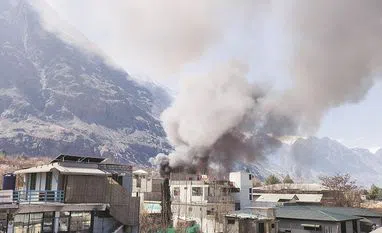 "Smoke rises from the UN office premises in Gilgit on Sunday | Photo: Reuters")
Smoke rises from the UN office premises in Gilgit on Sunday | Photo: Reuters


Listen to This Article
Travel plans across key Middle East corridors are facing turbulence. According to the Indian Association of Tour Operators (IATO), bookings on routes linked to the region are seeing 20–25% cancellations and rescheduling, as geopolitical tensions and airspace uncertainties unsettle travellers.
"Travel bookings on routes linked to the Middle East are witnessing 20-25 per cent cancellations and rescheduling, following the ongoing geopolitical tensions and related airspace uncertainties," Ravi Gosain, President, IATO, told PTI.
He said that traveller sentiment has turned cautious due to concerns around possible flight diversions, extended travel durations, insurance clauses and last-minute advisory changes, prompting many passengers to defer or modify their plans.
"If the situation escalates or airspace restrictions persist, the impact could widen during the peak summer travel period. However, bookings to destinations outside the affected zones remain relatively stable at this stage," Gosain added.
But what does this mean for you if you’re planning a summer holiday, business trip, or family visit?
Also Read

 "Car sales")
 "Flights")
 "QatarEnergy")
 "apparel")
 "wfh, work from home, digital, online, workplace, office, office space, co-working space, video conferencing, call")
What’s Actually Happening?
IATO President Ravi Gosain said the disruption is currently concentrated in specific routes that involve Gulf transit hubs and nearby regions.
In simple terms:
- Flights transiting through hubs like Dubai, Abu Dhabi, Doha, or Muscat may face rerouting or longer flying times
- Airlines could issue sudden advisory changes
- Airspace closures may lead to delays or last-minute cancellations
- As a result, many Indian travellers are choosing to defer or modify their travel plans, especially for near-term departures.
Why Are Travellers Feeling Cautious?
- It’s not just about safety fears. Travellers are concerned about:
- Possible flight diversions
- Extended travel durations
- Travel insurance clauses
- Last-minute airline or government advisories
- Uncertain refund timelines
For families travelling with children, elderly passengers, or tight business schedules, unpredictability becomes a major stress factor.
What Travel Platforms Are Saying
Major booking platforms confirm the shift in behaviour.
MakeMyTrip
The Nasdaq-listed aggregator said a significant number of travellers booked for near-future travel to or via the Middle East are deferring their plans.
The company is also assisting travellers currently in Abu Dhabi and Dubai by sharing updates based on official notifications issued by local authorities, enabling them to take informed decisions regarding accommodation and related arrangements, the spokesperson added.
EaseMyTrip
Founder Nishant Pitti said the company is witnessing a temporary spike in cancellations and rescheduling requests on impacted routes.
Interestingly, EaseMyTrip is also planning charter flights from Oman to India, subject to approvals, to support affected passengers.
"The evolving Middle East-West Asia situation has led to short-term disruptions across certain international air corridors, particularly those transiting through the Gulf region. We are observing a temporary rise in cancellations and rescheduling requests on impacted routes, along with an increased preference for flexible and alternative travel options," said Nishant Pitti, Founder and Chairman, EaseMyTrip.
Will this get worse?
IATO warned that if airspace restrictions persist or the conflict escalates, the disruption could widen during the peak summer travel season.
However, there is some reassurance:
- Bookings to destinations outside the affected zones remain stable
- Domestic tourism demand in India remains strong and steady
- Historically, during periods of global uncertainty, Indian travellers tend to shift toward:
What should you do if you have travel plans?
Here’s a practical checklist:
1. Check Your Airline’s Waiver Policy
Most airlines operating through the Gulf are now offering flexible rescheduling. If your flight is transiting through the region, you may be eligible for a date change without a penalty fee, though you might still have to pay the difference in fare.
2. Monitor Real-Time Updates
If you are already in a hub like Dubai or Abu Dhabi, platforms are working with local authorities to provide real-time updates. Check your aggregator’s app for official notifications regarding accommodation and flight status before heading to the airport.
3. Consider "Flexible" Bookings
If you are booking a new trip now, the industry is seeing a massive shift toward "Cancel for Any Reason" or flexible ticket options. Nishant Pitti, Founder of EaseMyTrip, notes that travelers are now prioritizing these alternative options to protect their money against sudden airspace closures. Use the dedicated support lines on MakeMyTrip or EaseMyTrip for date-change assistance.
Check Your Route, Not Just Destination: Even if you're flying to Europe or North America, see whether your flight transits through Gulf hubs.
Review Airline Flexibility Policies
- Many airlines are allowing:
- Free date changes
- Route modifications
- Travel credits
Check the official airline notification — not just social media posts.
Revisit Your Travel Insurance
Look specifically for:
- Coverage for airspace closure
- Political unrest clauses
- Trip interruption benefits
- Not all policies treat geopolitical disruptions the same way.
Consider Alternate Transit Hubs
You may explore routes via:
- Southeast Asia
- Direct non-stop options
- European hubs
- Though fares may be higher, they reduce unpredictability.
If Already in the Region
Follow official advisories and stay in contact with your airline or travel aggregator for real-time updates. With inputs from PTI
More From This Section
 "US Israel strike Iran")
 "Sushmita Sen")
 "FLIGHT cancellations")
 "money, Rs, rupees, currency, funding, fund, funds")
 "Employees Provident Fund Organisation, EPFO")
Topics : Middle East
Don't miss the most important news and views of the day. Get them on our Telegram channel
First Published: Mar 03 2026 | 9:20 AM IST