


Cotton buds and ear cleaning: Why doctors say the habit can be harmful
Experts caution that cotton buds can push wax deeper, increase the risk of infections, and even damage the eardrum, making professional care the safer choice
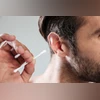 "cotton buds ear cleaning")
Medical experts warn cotton buds can damage the ear canal and eardrum.(Photo: Freepik)
Listen to This Article
Most of us have grown up reaching for cotton buds whenever our ears feel blocked or itchy. It seems like a quick and obvious solution. But doctors warn that this everyday habit could be causing more harm than good, sometimes even leading to long-term damage. What feels like a simple clean-up may actually push wax deeper, irritate the ear canal, or even injure the eardrum. Over time, this can turn a routine habit into a serious health concern.
Why your ears don’t need extra cleaning
Ears have their own self-cleaning system, thanks to a natural substance most people find annoying- earwax.
"Earwax, medically known as cerumen, is produced by glands in the outer ear canal. Some of the vital roles of the earwax include trapping dust and debris, acting like a moisturiser, and helping protect against infections by creating a slightly acidic environment that inhibits bacterial and fungal growth," explained Dr Harpreet Singh, Consultant ENT surgeon, MBBS, MS, DNB.
"People often think earwax is just dirt, but it’s actually the ear’s way of protecting itself. The canal has very delicate skin, and the wax keeps it moist so it doesn’t dry out or crack. Earwax has natural chemicals and enzymes that stop bacteria and fungus from growing. So, in a way, it works like a natural cleaning and defence system. If we keep removing it unnecessarily, we’re also taking away that protection," added Dr NVK Mohan, ENT Specialist & Cochlear Implant Surgeon at The Calcutta Medical Research Institute (CMRI).
What happens when you use cotton buds
Pushing a cotton bud inside your ear may feel satisfying, but it can actually make things worse.
Also Read

 "ultra-processed foods")
 "obesity drug, GLP-1 alternatives, weight loss medication, Ozempic")
 "pain relief")
 "rabies virus")
 "India Pollution")
Despite the popular belief that cotton buds clean the ear, they often do the opposite. "Wax is pushed deeper near the eardrum, causing ear blockage. In the process of cleaning the ear, the delicate skin of the ear canal can be scratched, causing ear pain and infection. If the cotton tip from a plastic earbud comes loose and gets stuck in the ear during cleaning, it can become a breeding ground for infection. If the bud is inserted too deeply, a cotton bud can rupture the eardrum, causing hearing loss. Over-cleaning of the ear removes the protective earwax and makes it more prone to infections," said Dr Mohan.
Injuries linked to cotton bud use
Doctors frequently see patients with ear problems directly linked to cotton bud use. These range from minor irritation to more serious issues that can affect hearing.
Dr Singh told Business Standard, "We see a range of problems. The simplest is wax impaction, which causes hearing loss, pain, or a blocked feeling in the ear. Then there are minor injuries, like scratches on the ear canal, which can get infected and lead to an earache and discharge. More serious cases include perforation of the eardrum, which can happen if the bud goes in too far or if the hand slips. Once the eardrum is ruptured, patients may have pain, hearing loss, and a risk of repeated infections."
"Children are more prone to ear injuries due to their narrower canals, while older adults are at increased risk because of drier earwax and more fragile skin. Also, people using hearing aids, due to more wax buildup in their ears are more prone to some of these infections," added Dr Mohan.
The myth of “safe cleaning”
The idea that cotton buds are safe for cleaning ears comes from a mix of habit and wrong information. Many people learn to use them from watching family members do it, so it becomes a usual part of their cleaning routine.
"It’s largely because of habit and lack of awareness. For generations, people have associated earwax with poor hygiene, so there is this constant urge to “clean” the ears. Cotton buds are marketed and sold so widely that people assume they must be safe for ear use. Also, the temporary relief one feels after using them gives the false impression that it helps, when in reality the problem may be building up inside," explained Dr Mohan.
Safe alternatives
If you feel like your ears are blocked, doctors recommend consulting a healthcare professional instead of attempting to clean them yourself. Safer medical procedures are available for earwax removal.
"The safest ways to remove earwax are those performed or recommended by medical professionals. These include using ear drops to soften the wax, gentle irrigation with warm water, and manual removal by an ENT specialist using tools like a wax hook or suction device. These methods minimise the risk of injury and infection. Hydrogen peroxide is a popular home remedy for ear cleaning, but it's actually one of the worst things and should not be used as it can irritate the sensitive skin inside the ear canal, worsen dryness, and even lead to infections or damage," explained Dr Singh.
For more health updates, follow #HealthwithBS
This report is for informational purposes only and is not a substitute for professional medical advice.
More From This Section
 "Gordon Ramsay")
 "Hospital, Hospital Ward, Medical, Emergency")
 "Match tea, hair loss, caffeine and iron absorption")
 "children, indian children, doctor")
 "pharma, drugs, medicine")
Don't miss the most important news and views of the day. Get them on our Telegram channel
First Published: Sep 01 2025 | 7:26 PM IST