


Heatwaves can affect your blood pressure: Which condition is riskier?
From dehydration to fainting, heatwaves can destabilise blood pressure. Learn the warning signs, vulnerable groups and steps to stay safe
 "blood pressure and heat")
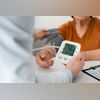
Extreme heat can trigger blood pressure fluctuations, particularly in vulnerable individuals. (Photo: Freepik)
Listen to This Article
As temperatures soar across many parts of India, health experts are warning that the effects of extreme heat go far beyond dehydration and heatstroke. Heatwaves can also disrupt blood pressure levels, creating serious health risks for millions of people living with hypertension or naturally low blood pressure.
But when the mercury rises, which condition is more dangerous: high blood pressure or low blood pressure?
According to Dr Mahendra Dadke, Consultant in Internal Medicine at Jupiter Hospital, low blood pressure often poses the greater immediate threat during a heatwave because the body's natural response to heat can quickly reduce circulation and lead to medical emergencies.
Why low blood pressure can be more dangerous in extreme heat
When temperatures rise, the body works hard to cool itself. Blood vessels widen to release heat, and sweating increases. While these mechanisms help regulate body temperature, they can also lower blood pressure.
"Low blood pressure typically has the biggest immediate threat during heat waves since it can be significantly affected by dehydration and vasodilation, which rapidly reduces circulation. The result may be dizziness, fainting, or shock," says Dr Dadke.
Also Read

 "Candela P12, flying boat")
 "dairy, milk, cheese, butter")
 "US visa, US immigration, green card")
 "ageing, young people, health, outdoor")
 "Mango, Alphonso mango")
Blood pressure may drop even further, especially if people spend long periods outdoors or do not replace lost fluids adequately.
A 2024 study titled, 'The impact of air temperature and humidity on Children's blood pressure mediated by Lipids: A prospective cohort study,' involving nearly 6,000 children and adolescents, found that higher air temperatures were associated with lower blood pressure levels.
The study showed that blood pressure tended to be higher when temperatures fluctuated more. In contrast, lower average temperatures were associated with an increased risk of elevated blood pressure.
While high blood pressure remains a major health concern because it increases the risk of heart attacks and strokes over time, it is less likely to cause sudden collapse purely due to heat exposure.
How heat affects people with high pressure
Extreme heat generally causes blood pressure to fall because fluids are lost through sweating and blood vessels expand. For people with hypertension or high BP, medication can sometimes amplify this effect.
Dr Sanjay Kumar Chugh, Director & Unit Head, (Unit-1) Cardiology, Aakash Healthcare explains that certain medicines, including beta-blockers, which are commonly prescribed to manage high blood pressure and heart conditions, may contribute to a larger drop in blood pressure during hot weather. As a result, some patients may experience symptoms of hypotension or abnormally low blood pressure, despite having a history of high blood pressure.
Warning signs you should not ignore
Heat-related blood pressure fluctuations can become dangerous if left unchecked. Experts advise watching out for the following symptoms:
- Dizziness or lightheadedness
- Fainting episodes
- Confusion or difficulty concentrating
- Palpitations or a rapid heartbeat
- Excessive sweating or unusually reduced sweating
- Muscle cramps
- Nausea
- Chest pain
- Reduced urine output
- Severe headache
- Blurred vision
"A patient with altered consciousness may suggest a heat-related health emergency that requires urgent medical attention," warns Dr Dadke.
Who is most at risk during a heatwave?
Some groups are particularly vulnerable because heat can affect their body's ability to regulate temperature and maintain stable blood pressure. These include:
- Older adults
- People with heart disease
- Pregnant women
- Individuals taking blood pressure medication
- People with kidney disease
- Outdoor workers exposed to prolonged heat
According to Dr Chugh, dehydration, medication effects and impaired thermoregulation can all increase the risk of unstable blood pressure changes during extreme weather conditions.
How to stay safe if you have blood pressure issues
The precautions vary slightly depending on whether you have high or low blood pressure.
If you have high blood pressure
- Stay well hydrated
- Monitor your blood pressure regularly
- Avoid sudden changes in salt intake
- Remain in cool environments whenever possible
If you have low blood pressure
- Increase fluid intake
- Maintain electrolyte balance
- Avoid standing up too quickly/ sudden movements
- Take breaks from prolonged outdoor activity
Wear light and breathable clothing, avoid direct sun exposure during peak afternoon hours and spend time in shaded or air-conditioned spaces whenever possible.
For more health updates, follow #HealthwithBS
This report is for informational purposes only and is not a substitute for professional medical advice.
More From This Section
 "smartphone addiction")
 "Ebola, Congo")
 "burnout signs")
 "Ozempic, weight loss drug")
 "Ebola virus")
Topics : Health with BS BS Web Reports Hypertension
Don't miss the most important news and views of the day. Get them on our Telegram channel
First Published: May 29 2026 | 3:44 PM IST