


Constant colds, hair loss, slow healing? Zinc deficiency may be to blame
Doctors say overlooked zinc deficiency could be fuelling tiredness, slow wound repair, and poor child health, but awareness is the first step.
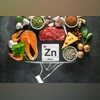 "zinc rich food for tackling deficiency")
A balanced diet with zinc-rich foods helps prevent deficiency and supports immunity, skin health, and growth. (Photo: Adobestock)
Listen to This Article
Think you’re eating healthy? You might still be missing a vital mineral your body quietly depends on – zinc. From keeping your immune system strong to helping your skin heal, this trace nutrient works behind the scenes. Yet, zinc deficiency is surprisingly common and often goes undetected until symptoms start interfering with daily life.
“We’ve found that certain Indian populations carry genetic variations requiring up to 40 per cent higher zinc intake, while vegetarian diets often provide only around 60 per cent of optimal levels,” shared Sid Das, co-founder of eGenome.ai, a predictive health technologies firm.
Early warning signs you shouldn’t overlook
Some common symptoms include:
- Decreased appetite
- Decreased taste and smell
- White spots or brittleness of nails
- Frequent minor infections
- Delayed puberty or stunted growth in children
- Chronic fatigue
- Poor concentration
- Sudden skin rashes
- Patchy hair loss
“Zinc is vital for the functioning of immune cells. A deficiency weakens the body’s defense, making individuals prone to repeated infections,” says Dr Anirban Chattopadhyay, critical care specialist at The Calcutta Medical Research Institute (CMRI).
Zinc deficiency can slow down skin repair because the mineral helps skin cells form a protective barrier and aids in collagen production. Without enough zinc, people may develop rashes, acne-like breakouts, or wounds that take longer to heal, experts said.
Also Read

 "H3N2 influenza Delhi NCR")
 "fact check, immunity")
 "Astronaut")
 "health tips, daily habits for wellness, mindfulness stress relief, sleep and health")
 "Katrina Kaif pregnancy")
“In children, zinc is at the center of DNA synthesis and cell division, hence important for neurological development and physical growth,” added Dr CC Nair, Internal Medicine Specialist, Lilavati Hospital & Research Centre.
ALSO READ | Vaccines, weather, kadha: What really helps immunity and what doesn't
The urban diet connection
Urban diets become more dependent on refined and processed foods that are energy-dense but micronutrient-sparse, shares Dr Nair.
“Although these diets can provide or even exceed daily energy intakes, they tend to be deficient in critical trace elements such as zinc. This so-called ‘hidden hunger’ is increasingly being seen in urban India, where individuals can look well-fed but quietly experience micronutrient deficiency,” he says.
Who is most at risk?
Certain groups are more vulnerable to zinc deficiency-
- Children, because of their rapid growth needs.
- Pregnant women since zinc supports fetal growth and maternal immunity.
- Elderly people as absorption declines with age, and poor diets are common.
- Chronically ill and malnourished individuals.
How is zinc deficiency diagnosed?
In India, testing for zinc deficiency is not part of routine health check-ups, but doctors may recommend it if symptoms point towards a deficiency. The most common method is a serum or plasma zinc blood test, though results can fluctuate depending on infections, stress, or even the time of day. Some labs also offer hair zinc analysis and urine tests, but these are less common.
Approx cost: ₹600–₹1500.
ALSO READ | Eat the Mediterranean way, smile longer: New study links food, gum health
Lifestyle and dietary choices
Experts say that the most secure and environment-friendly route is intake through food that contains zinc such as meat, poultry, seafood (especially oysters), nuts, seeds, legumes, and milk. In vegetarians, fortified cereals, pumpkin seeds, and legumes can be of assistance.
Plant foods are nutritious in various ways, but can lead to zinc deficiency if not well-balanced. “All cereals, legumes, and pulses are rich in phytates that block zinc absorption. Thus, vegetarians tend to require greater zinc ingestion to offset decreased absorption. Unless proper attention is paid to meal planning, long-term vegetarian or vegan diets can lead to marginal zinc status,” shared Dr Nair.
Safe supplementation
While supplements are widely available, balance is key. Too little zinc harms your body, but too much can also cause trouble.
Dr Nair explains, “Only if deficiency is detected should supplements be prescribed. Over-supplementation, especially doses more than 40 mg per day, can lead to copper deficiency, gastrointestinal disturbance, and even impaired immune response.”
Talking about the role of artificial intelligence in nutrition, Das says rather than applying blanket supplementation, AI-driven analysis enables personalised protocols. “For instance, a working professional in a metro city with specific genetic variants and high stress might benefit from targeted zinc glycinate supplementation, while a rural child with a different genetic profile may gain more from fortified foods and dietary optimisation,” he says. This approach can catch zinc deficiency early, personalise nutrition, and prevent small problems from snowballing into bigger complications.
Public health steps for India
Treating zinc deficiency involves a multi-faceted strategy:
- Food fortification, like zinc-fortified flour and cereals, can increase the baseline level in populations.
- Targeted supplementation in risk groups such as children aged five years and below and pregnant women is essential.
- Public health programmes need to generate awareness for micronutrients, not macronutrients.
- Periodic screening in high-risk groups at health centers can lead to early identification and timely intervention.
For more health updates, follow #HealthwithBS
This report is for informational purposes only and is not a substitute for professional medical advice.
More From This Section
 "back pain causes, posture mistakes")
 "Mediterranean diet")
 "Woman in a hospital")
 "cancer research")
 "mental health awareness")
Don't miss the most important news and views of the day. Get them on our Telegram channel
First Published: Sep 26 2025 | 12:49 PM IST