


This common vaccine may be linked to slower biological ageing in the elderly
New US research links the shingles vaccine to lower inflammation and slower biological ageing in later life, suggesting adult vaccination may support healthier ageing beyond infection prevention
 "vaccination, older people, elderlies")
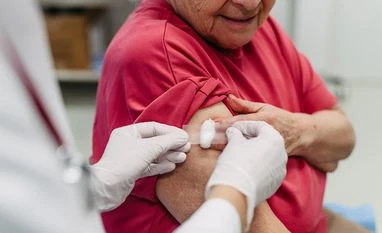
A routine shingles shot could have wider benefits for healthy ageing, researchers report. (Photo: AdobeStock)
Listen to This Article
The shingles vaccine may do more than prevent a painful infection. New research suggests that it may be linked to slower biological ageing in older adults.
The study, titled Association between shingles vaccination and slower biological aging: Evidence from a US population-based cohort study and published in the Journal of Gerontology: Biological Sciences, found that vaccinated adults showed lower inflammation and slower molecular ageing than those who skipped the shot. Researchers say the findings point to a possible link between adult vaccination and healthier ageing, though they stress that the results show an association, not proof of cause and effect.
Researchers from the USC Leonard Davis School of Gerontology analysed data from the US Health and Retirement Study, focusing on more than 3,800 adults aged 70 and above. About half had received a shingles vaccine.
The team also examined blood samples and physical measures to assess “biological ageing”, which reflects how fast the body is ageing internally rather than chronological age.
Biological age reflects how well body systems such as immune, cardiovascular and molecular systems are functioning. Two people aged 70 can look very different under the microscope. One may have low inflammation and resilient cells, while the other shows signs of accelerated ageing.
Also Read

 "school, Class, Students")
 "Budget 2026, Budget, Nirmala Sitharaman, Nirmala, Pankaj Chaudhary")
 "DNA database")
 "S Jaishankar, Paris")
 "Yuan")
What were the key findings?
The researchers examined seven domains of biological ageing, including inflammation, immune function, cardiovascular health, neurodegeneration, and molecular markers such as epigenetic and transcriptomic ageing.
They also combined several of these measures into a single “composite ageing score” to capture overall biological ageing across multiple systems.
The study found that older adults who had received the shingles vaccine showed:
- Lower levels of chronic inflammation
- Slower epigenetic ageing (changes in how genes are switched on or off)
- Slower transcriptomic ageing (changes in gene activity)
- A lower overall biological ageing score
In simple terms, their bodies appeared to be ageing more slowly on the inside than those who had not been vaccinated.
Why does inflammation matter so much for ageing?
According to the researchers, chronic low-grade inflammation, often called “inflammaging”, is a hallmark of ageing. It is linked to heart disease, frailty, diabetes and cognitive decline.
The shingles virus can lie dormant for decades and periodically reactivate, subtly fuelling inflammation. By preventing this reactivation, vaccination may reduce that background inflammatory burden, helping to protect the body over time, the study highlighted.
The study showed that participants who had received their shingles vaccine four or more years earlier still exhibited signs of slower molecular ageing compared with unvaccinated peers.
Previous studies have already linked shingles vaccination to a lower risk of dementia and other neurodegenerative conditions. This research adds that reduced inflammation and slower molecular ageing may help protect the brain and other organs over time. Researchers caution, however, that the study shows an association, not causation. The shingles vaccine should not be seen as an “anti-ageing shot”.
What is the shingles vaccine in India?
In India, the most commonly recommended shingles vaccine is Shingrix, a newer recombinant (non-live) vaccine manufactured by GlaxoSmithKline (GSK). An older live vaccine, Zostavax, was available earlier but is now largely phased out globally and used far less because of lower and shorter-lasting protection. It is usually presecribed to adults aged 50 years and above and people aged 18+ with weakened immunity, including those with diabetes, cancer, autoimmune diseases, or those on long-term steroids or immunosuppressive therapy.
Shingrix is given as a two-dose course, with the doses spaced 2–6 months apart. The cost per dose is roughly ₹9,000–₹10,000 and the total cost for full protection is around ₹18,000–₹20,000.
Prices may vary slightly by city, hospital, and availability.
For more health updates, follow #HealthWithBS
This content is for informational purposes only and is not a substitute for professional medical advice.
More From This Section
 "supplement overuse")
 "WHO Nipah assessment, Nipah cases India")
 "NIPAH, BLOOD, BLOOD TEST")
 "Nipah virus chinese drug")
 "India obesity survey")
Don't miss the most important news and views of the day. Get them on our Telegram channel
First Published: Feb 02 2026 | 12:56 PM IST