


Delayed dues, supply disruptions in Telangana dent liquor giants' sales
Pernod Ricard and Heineken report slow Q3 growth as payment delays and regulatory issues in Telangana disrupt operations in one of India's top liquor markets
 "Pernod Ricard")
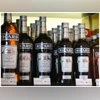
In January, Pernod Ricard suspended operations in the state of Telangana over issues linked to outstanding payments. (Photo: Shutterstock)


Listen to This Article
India’s top liquor companies, Pernod Ricard and Heineken, reported sales growth in the March quarter was impacted by regulatory setbacks and short-term operational issues in Telangana, a key liquor market. Despite these disruptions, the companies noted continued market demand and a shift towards premium products, according to a report by The Economic Times.
Pernod Ricard Q3 sales disruption
Pernod Ricard’s Chief Financial Officer Helene de Tissot informed analysts that the third quarter saw softer sales, attributing this to “the implementation of new customs clearance procedures affecting sales of imported spirits and a temporary production interruption in a major state, which is now resolved”.
The company, known for brands like Royal Stag and Chivas Regal, recorded a 1 per cent sales growth for the quarter. However, it expects stronger momentum in the final quarter of the financial year, the news report mentioned.
ALSO READ: Pernod Ricard considers sale of GH Mumm to focus on premium labels
Temporary exit from Telangana over dues
Earlier in January, Pernod Ricard suspended operations in the state of Telangana over issues linked to outstanding payments. United Breweries also pulled back from the state, citing sustained financial losses. The Telangana government dismissed these actions as pressure tactics aimed at forcing price hikes. Nonetheless, both companies resumed supply within the same month. Telangana is among India’s top three liquor markets by volume.
In Telangana, the government exclusively handles wholesale and retail liquor distribution through the Telangana Beverages Corporation. According to industry sources, alcohol companies have been grappling with delayed payments totalling around ₹4,000 crore over the past four years. The payment cycle has stretched to between 120 and 140 days, compared to the standard 45-day window with a 15-day buffer.
Also Read

 "Migrants,Death")
 "Law, Law and Order, Justice, Punishment")
 "A Revanth Reddy, Reddy, Revanth,A Revanth,Telangana CM")

 "Electric buses, e-buses, e-bus, JBM Auto")
Heineken cites regulatory barriers and price talks
Heineken, during its earnings call, said it underperformed relative to overall market growth due to a supply disruption in a significant state. The company attributed the delay to regulatory complexity and prolonged pricing negotiations with local authorities.
“India is very often regulated by states and requires long negotiations and explanations to get that right. So the pricing component that we got in India was low single digit,” said Harald Van den Buch, Chief Financial Officer at Heineken, as reported by The Economic Times.
He said, “We are becoming more assertive as a business to really drive the right portfolio with the right consumer base, but also the right authorities engagement strategy to create healthy business platforms, but that is a state by state affair. And that is something that we’re working on. And I am increasingly confident that that will last going forward.”
Industry body bats for pricing autonomy
The International Spirits and Wines Association of India argued that allowing pricing flexibility would help the market find equilibrium, ensuring companies don’t overprice themselves out of competitiveness.
More From This Section
 "Income Tax Department, CBDT")
 "Rekha Gupta, Delhi CM")
 "United Nations Security Council")
 "heat waves, heat wave, summer, hot")
Don't miss the most important news and views of the day. Get them on our Telegram channel
First Published: Apr 18 2025 | 11:50 AM IST