


How Iran war is fuelling a global aviation crisis as jet fuel prices spike
Jet fuel prices, the single largest cost component for airlines, have surged sharply since February and are now forcing airlines globally to raise fares and activate emergency cost controls
 "Jet fuel")
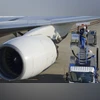
Jet fuel prices, which are the single largest cost component for airlines, have surged dramatically since the US-Iran conflict intensified in late February. | Photo: Bloomberg
Listen to This Article
The US-Iran-Israel conflict is beginning to show up in airline balance sheets, ticket prices, and flight schedules across the globe. What started as a geopolitical disruption to oil flows and airspace is now feeding directly into aviation economics, with rising jet fuel costs, routes getting longer due to diversions, and insurers repricing risk. The disruption in the Gulf region is now rippling through global aviation, with fuel shocks, airspace disruptions, and supply constraints converging into what industry executives are describing as a full-blown operating crisis.
Jet fuel prices, which are the single largest cost component for airlines, have surged dramatically since the conflict intensified in late February and are now forcing carriers across the globe to raise fares, cut capacity, and activate emergency cost controls.
How Asia’s aviation markets are coping with rising jet fuel costs
Asia, being highly dependent on West Asian energy markets, is witnessing the highest stress.
In South Korea, Korean Air has shifted to “emergency management mode” as fuel costs threaten business targets. The airline expects fuel prices to more than double from planned levels, while surcharges on major international routes have risen by over 200 per cent.
Other carriers in the country, including Asiana Airlines and T’way Air, have taken similar steps, pointing to a system-wide strain rather than a company-specific issue.
Also Read

 "online personality")
 "stock markets, sensex, growth, m-cap, investors, investments")
 "Blinkit")
 "The Oracle Corp. campus in Redwood City, California")
 "Gold prices")
In Nepal, for instance, the government has raised the price of aviation fuel for international flights by up to 117 per cent, according to a Reuters report.
How jet fuel prices have surged since the Iran war began
The geography of the US-Israel-Iran conflict sits at the heart of global energy and aviation flows. The Strait of Hormuz alone handles roughly a fifth of global oil supply, and disruptions there have tightened fuel availability worldwide.
Jet fuel prices have more than doubled in recent weeks, with global benchmarks hovering around $195 per barrel, according to industry data. That price was around $85–$90 before the US-Israel strikes on Iran began. The Argus US Jet Fuel Index recorded prices of over $4.60 per gallon on Monday, nearly double from around $2.50 before the conflict began.
At the same time, airspace closures across parts of West Asia have forced airlines to reroute flights between Asia, Europe, and North America. These longer routes are leading to higher fuel burn by airlines, adding to cost pressures. The result is a dual shock for the aviation industry: higher fuel prices and higher fuel consumption per flight.
How airlines are passing rising costs on to travellers
Airlines are responding in predictable but uneven ways, with fare hikes, fuel surcharges, and capacity cuts.
For example, Hong Kong’s Cathay Pacific has raised fuel surcharges by 34 per cent, signalling the scale of cost escalation facing long-haul carriers, Reuters reported.
Meanwhile, Air New Zealand and Qantas have increased fares across the board and signalled further pricing hikes if jet fuel costs remain elevated. Thai Airways announced fare increases of up to about 15 per cent on various routes in March.
According to a report by Euronews, industry estimates suggest fuel now accounts for 25–35 per cent of airline operating costs, amplifying the sensitivity of ticket pricing to oil volatility.
How jet fuel shock is spilling over into European aviation markets
While the immediate supply shock is centred in Asia, spillovers are becoming visible in Europe as well, including the UK.
Industry experts have warned of potential disruptions to jet fuel deliveries into the UK as summer travel demand builds, reflecting tightening global supply chains. Air France has announced that higher fuel prices from the West Asian situation would lead to higher fares on long-haul flights.
What is happening in India’s aviation sector amid rising fuel costs
Governments are beginning to respond, though unevenly. For example, India has capped aviation fuel price increases to 25 per cent on Wednesday (April 01), Times of India reported.
At the same time, rating agencies have turned cautious. Investment Information and Credit Rating Agency of India (ICRA) has revised its outlook on India’s aviation sector to “negative” from the previous “stable” outlook, citing rising fuel costs and geopolitical risks.
And if disruptions to oil flows and airspace persist, airlines are likely to continue raising fares and trimming capacity.
More From This Section
 "Nepal Protest")
 "Iran war, Tehran, Israel strikes, Iran")
 "charts")
 "Iran war, Iran")
 "Abbas Araghchi, Iran's foreign minister")
Topics : BS Web Reports Israel Iran Conflict US-Iran tensions jet fuel demand Jet Fuel Aviation sector
Don't miss the most important news and views of the day. Get them on our Telegram channel
First Published: Apr 01 2026 | 1:08 PM IST