


There's unlimited work to be done in roads sector: Vipin Sondhi
Interview with MD&CEO, JCB India
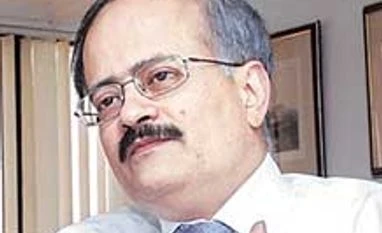 "Vipin Sondhi")
JCB India, which manufactures earth-moving and construction equipment, is a bellwether for infrastructure growth in the country. The company started as a joint venture in 1979, but is now a fully-owned subsidiary of UK-based JC Bamford Excavators and has expanded its product range to 48 models in eight product categories. Vipin Sondhi, managing director and chief executive officer of JCB India, tells Megha Manchanda that he expects upwards of 20 per cent growth in the construction industry. Excerpts:
Do you see the momentum in the roads sector coming back and what does it hold for the construction equipment industry in general and JCB engineering in particular?It is obvious from what the government is conveying that its focus is infrastructure. In the roads sector, the aim is to increase the pace of construction from 6 km about two years ago to 20 km now and then there is a larger vision. We have seen this translating into orders for the industry.
There is unlimited work to be done in roads and highways. It is important to bring in public-private-partnership (PPP) in the sector. For that, we need to ensure the issues related to land acquisition and environment have an institutional framework so that as and when they come up, they are resolved.
You mentioned PPP. But, in roads, it has not worked the way the government wanted. The new model for road construction is hybrid annuity model. How has that helped the construction equipment industry especially JCB engineering’s orderbook?
At the end of the day, it is the earth that is being dug and earth doesn’t get dug according to a particular model. Fundamentally, if we say more roads and highways are being facilitated because of BOT or a hybrid annuity model, the answer is yes.
One of the reasons for the PPP programme to fall flat is, there was no dispute resolution mechanism before the courts. It is important to put a credible dispute resolution mechanism in place so that decisions can be taken. Infrastructure programmes change rapidly and we have to keep taking decisions as issues come up.
What is the outlook for the construction equipment industry in the current financial year?
After four years of decline, the industry in the past six months (January-June) has grown 40 per cent coming out of a vacuum created because of the downturn. Anything upwards of 20 per cent for this year would be great and moving forward, 10-15 per cent would be a very orderly sustainable growth rate for the industry.
What is the outlook for your company?
We are industry leaders and we would ride on the way as we are making the investments in line with the industry. We’ll maintain our leadership position but we’ll continue to open up new sectors with products that can add value. That would be a completely different segment that doesn’t exist today.
What does the government’s Make in India plan mean for the construction equipment industry and how do you see your company contributing in this regard?
We have been manufacturing in India for around 40 years. Make in India mainly says manufacture in India and sell everywhere. It also means not restricting to the Indian subcontinent for exports. We are leading in India and exporting to 65 countries. It also means that you have to be zero-defect or of global quality. Then you have to be zero-effect, which means you have to be carbon-neutral.
What are the company’s hiring plans?
We already employ about 5,000 people and every month, we are hiring more people depending on our requirement.

Don't miss the most important news and views of the day. Get them on our Telegram channel
First Published: Jul 15 2016 | 10:38 PM IST