


We need to be able to speak in one voice: Sudhanshu Vats
Interview with Group CEO, Viacom18
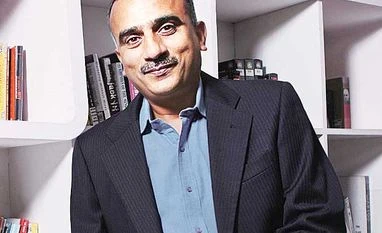 "Sudhanshu Vats")
Heading the Viacom18 group, Sudhanshu Vats is a well-known name in media and entertainment sector. On the sidelines of the 4th edition of CII Big Picture Summit, Vats talks to Subhayan Chakraborty on how the industry needs to stand together in raising issues concerning media policy, and why change of tastes in TV-viewing is a good thing. Excerpts:
The third phase of digitisation programme for television broadcasting is scheduled to be rolled out, nationwide, by December 31, 2015. Is the media & entertainment sector on tracks to meet the deadline?
Yes, the sector is gearing up to reach the deadline. Such a massive project needs a lot of collaboration among stakeholders, but it is rolling out. This, as well as the December 31, 2016 deadline for phase four, both, will be met.

Is the government helping the sector in this regard?
Government assistance becomes important in key areas. The toughest leg of the process is connecting the rural areas. Infrastructure and other issues become important. Building transmission capabilities require most help, and I am told that the government has assisted quite a bit there.
Some major players have complained about existing government policy framework on media, which they say need to be addressed immediately. Do you feel the sector has remained mute in raising such issues?
You have hit the nail on its head. I feel as an industry we need to learn to collaborate a bit more. Media and entertainment is a very small sector, relatively speaking, and in that too, there are different sub-constituents, which are very different in nature. Within the television business only, there are content producers, distributors and others. We need to be able to speak in one voice, putting together a more concerted point of view.
Rural territories will be included in the Broadcast Audience Research Council ratings data from next week. Will this change the pecking order of channels in terms of ratings? And, is the industry looking at tailor-made content for rural viewers?
In television, the most popular shows enjoy acceptability across geographical areas. The intrinsic nature of good content is that it should be aspirational. Such content is liked in all areas. On this basis, we can say that existing channels are already popular across the country.
This apart, our programmes are conceived keeping in mind a large cross-section of viewers. Although, in coming days, content will have to be reinvented keeping in mind newer segments of audience interest, as of now, we feel there is no immediate need solely for the rural audience.
When can we expect the mainstream entertainment media to seriously push quality- and intelligent-programming for young, urban male audiences ?
This is an old request. We are slowly getting there. A large part of our audiences fall in this category and they are definitely on our agenda. Programmes are slowly evolving and incorporating elements that such an audience appreciates. However, we will need to find monetisation for this as well.
The media & entertainment sector has been growing over 10 per cent, annually, but leaders in the sector have raised concerns that the revenue generated from this growth is essentially operational in nature and is not sufficient for further investment. Do you feel investment has stagnated, both, from inside as well as outside?
The point to be understood is that the sector needs a significant amount of investment. And that is not only for content; but more importantly for technology and infrastructure. It is true that we have been lacking in these areas, which has, in turn, hampered the overall growth.
What would be your views on over-the-top services, especially, with Hotstar and others gaining ground fast ?
Viacom is also engaged in over-the-top services. You will see an offering from us next year. We are fully committed to playing a digital role.
Which television segments, would you say, are performing best under Viacom?
Among sub-genres, comedy is doing extremely well. Popularity for shows like Comedy nights with Kapil, cut across demographic groups.
How are the different television channels in your group performing?
Channels under the Colors brand are performing very well. Colors Kannada is number one in its market. Gujarati, Marathi properties are also doing very well. We need to focus more on the eastern region, though.
Is the nature of programming in Hindi converging slowly with those in other regional languages and is this a good thing?
My sense is that regional should and will do justice to itself. Dubbing Hindi programmes does not work at all. Regional audiences should be treated to programming that has its own unique format and appeal. This trend will continue.
The Boston Consulting Group Confederation of Indian Industry report on the future growth of media suggests that India has been a little late in jumping onto the digital bandwagon. Do you feel that international entertainment and news outlets will prove a challenge to the Indian ones?
The digital story for India will be unique and not follow any international model. Currently, digital segment performs as an add-on for media establishments and they are growing swiftly.
Do you feel that the sector is overly dependent on advertising revenue and not enough on subscription?
As the industry develops, both, the revenue streams of advertising and subscription will need to get much more balanced. Dependence on advertising will come down, only when subscriptions become institutionalised and go up significantly across the board.
Don't miss the most important news and views of the day. Get them on our Telegram channel
First Published: Oct 21 2015 | 12:30 AM IST