


As monsoon threat looms, Punjab farmers battle high irrigation cost
An adequate sunshine is conducive for a high yield of paddy but the cost of extracting underground water effects net income of the farmers
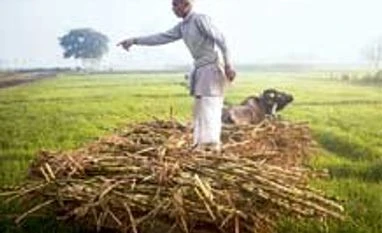)
A below normal monsoon this year could undermine the kharif productivity in many parts of India but farmers in Punjab and Haryana are toiling hard to get a high yield of paddy despite the weak monsoon.
Punjab and Haryana contribute substantially to the food security of the nation by producing surplus foodgrain for procurement. The paddy crop needs ample water (approximately 2,800 litre to 3,500 litre for one kilogram of rice) and a lesser rainfall might effect the profitability of farmers.
Farmers of these two states bucked the trend in 2009 (a draught year) and contributed 10.72 million tonne (Punjab) and 6.92 million tonne (Haryana) in the central pool on the backdrop of total procurement of 25.38 million tonne of total rice procurement.

An adequate sunshine, say the farmers, is conducive for a high yield of paddy but the cost of extracting underground water effects the net income of the farmers.
Jagtar Singh Sandhu, a progressive farmer from Sangrur district of Punjab is busy in paddy transplantation and is leaving no stone unturned to organise funds to meet the water crisis anticipated after a few weeks.
"Paddy needs ample water and underground water is imperative. We have been getting a power supply of eight hours a day free of cost from state power utilities. But this may not be sufficient if the rain is sub-normal. The cost of running a tubewell on diesel is about Rs 200 per hour now as diesel prices have gone up. I might have to spend Rs 1,500 a day as the water requirement of field may go up gradually," he added.
As paddy needs standing water in the fields, the sprinklers are not useful.
With the rise in cost of labour after the roll out of MGNREGS (Mahatma Gandhi National Rural Employment Guarantee Scheme), most of the farmers in Punjab have switched over to paddy transplanter to evade the labour cost but cost of underground water for irrigation has gone through the roof.
Farmers in Haryana are also trying hard to maintain a yield of 24-25 quintal per hectare by drawing water from tubewells. Chander Bhan of Lohar Majra in Kurukshetra pays Rs 500 per month for a 20-horsepower tubewell to nurture his 20 acre field. "Rains in India are unpredictable. Even if there are heavy rains in later part of June or in July that would help. We cannot survive on diesel run tubewell," he added.
The farmers in two states were able to get high produce despite deficit rain in 2009 but it effects the net income of the farmers as running tubewells on diesel adds to costs and cuts the profitability.
The water table in most of the districts of Punjab and Haryana has depleted due to excessive use of under ground water. So the cost of drawing water through tubewell has gone up over the years.
Farmers have switched over to short-duration varieties of basmati paddy like Pusa 1121 and Pusa 1509 to save the water. Some of them have diversified to vegatables. But the assured returns of paddy (both basmati and non-basmati) drives farmers of this region to grow paddy despite all odds.
More From This Section
Don't miss the most important news and views of the day. Get them on our Telegram channel
First Published: Jun 23 2014 | 8:52 PM IST