


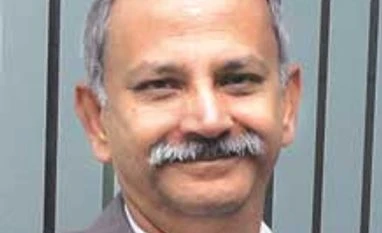
Policy for sustainable growth: N S Venkatesh
The decision on the LAF repo rate was taken looking at the upside to inflationary pressures from the second quarter of FY14
 "N S Venkatesh")
In the second quarter review of monetary policy on Tuesday, RBI announced a 25-basis point (bp) increase in the liquidity adjustment facility (LAF) repo rate and a 25-bp cut in the rate on marginal standing facility (MSF).
The decision on the LAF repo rate was taken looking at the upside to inflationary pressures from the second quarter of FY14, which largely related to the sharp rise in food prices and elevated fuel prices.
The move on interest rates was also keeping in mind the possibility of the uptick in non-food manufactured inflation, which till now remained subdued owing to the lagged effects of a weak currency and second-round impact of the elevated food and fuel prices.

On the other hand, the move on the MSF rate was largely to normalise the monetary policy operations by bringing the width of the corridor down to 100 bps. Reduction in the MSF rate also looks to ease the funding costs of banks for meeting the requirements of the corporate sector in the ongoing busy season of credit. This move would also help bring down short-term money market rates, especially those of commercial paper (CP) and certificate of deposit (CD). Apart from the move on interest rates, RBI also looked to provide further liquidity by increasing the liquidity provided through term repos of seven-day and 14-day tenor from 0.25 per cent of NDTL of the banking system to 0.5 per cent with immediate effect. We feel RBI chose to increase the liquidity provision to markets through the term repos instead of the overnight LAF repo operation to ensure the excess liquidity is made available but at a higher cost, so as to avoid any speculative activities putting pressure on the inflation outlook. RBI also stated the moves were undertaken with the intention to curb mounting inflationary pressures and manage inflation expectations in a situation of weak growth. Accordingly, the GDP projection for FY14 was revised downwards to five per cent, while the wholesale price index inflation was expected to end the financial year between six and seven per cent.
NS Venkatesh
Chief General Manager & head of treasury, IDBI Bank
Don't miss the most important news and views of the day. Get them on our Telegram channel
First Published: Oct 30 2013 | 12:28 AM IST