


Expect high volatility in F&O settlement week
On domestic front, India suffering from combination of high inflation and low growth
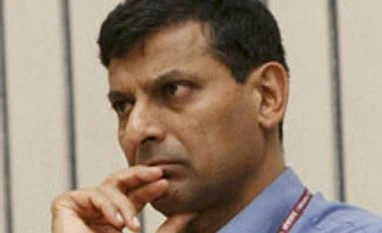)
Raghuram Rajan
In early January 2012, the dollar was trading at 53.30 to the rupee. It is now around 62.5, down from a high of 68. In that 21-month period, the Nifty has returned 25-26 per cent in rupee terms. This is a positive return, even allowing for a rupee depreciation. It is also fantastic, given the fundamentals of the Indian economy have gone from bad to worse in the same period. There's also a strong consensus that a recovery would take a long while, so it's not as though there's an immediate upside.
This week, we'll see some clarity on monetary policy. Reserve Bank of India (RBI) Governor Raghuram Rajan will deliver his first policy review and every word he speaks will be analysed. However, his policy choices are severely limited. On the domestic front, India is suffering from a combination of high inflation and low growth. It also has a massive current account deficit and, of course, a huge fiscal deficit. Both deficits will reduce this financial year but only at the cost of lower growth.
A weaker rupee guarantees that energy costs would stay high. Food prices are also at double digits and likely to stay up, despite a good monsoon. Rajan's advent has stemmed the rupee decline because the foreign institutional investors (FIIs) have some degree of faith in him and have bought substantially in September.
However, he now has to perform a tight-rope act to balance all the concerns.
One major issue is likely to be the tapering of quantitative easing by the US Federal Reserve. It may not happen this month but would happen soon. The threat of tapering has pushed US treasury yields up substantially. As and when there is a taper, US interest rates are likely to rise more, and the currency will harden. India will also have to raise rates to ensure that portfolio investors don't exit en masse.
This will be a delicate job. India needs an undervalued rupee. There is no easier way to restrain imports or to make exports more competitive. However, India cannot afford to see the rupee crash suddenly with high volatility. Nor can it afford to have the rupee fall till levels where crude oil import costs inflate unmanageably and inflation spirals out of control. The RBI will have to take a call on where it wants the rupee and also try to ensure that a further depreciation is orderly. On Friday, we'll get an inkling about how it intends to go about this.
My best guess is that Rajan won't touch policy rates or do anything much at all. He may ease the cash reserve ratio (CRR), or lower the interest rates on the MSF (marginal standing facility) but that's against the odds. If he does nothing, the Bank Nifty and the market would head down. If he does cut the CRR, there could be a relief rally. Either way, settlement week is likely to be volatile. The Bank Nifty could swing 1,000 points in either direction in the last five sessions of the September settlement.
The author is a technical and equity analyst

Don't miss the most important news and views of the day. Get them on our Telegram channel
First Published: Sep 17 2013 | 10:43 PM IST