


Castrol's premium valuations sustainable
Improving volume growth, superior returns ratio and brand positioning key positives
 "Castrol's premium valuations sustainable")
Castrol India has been in the news recently with its UK-based promoter British Petroleum (BP) trimming its stake in the company by 8.5 per cent to 51 per cent. Fears that this might happen at a discount of five-10 per cent were unfounded as the discount was two-three per cent over Monday’s closing.
This is the second time in 2016 that BP has trimmed stake in Castrol. In May, it brought down its stake from 71 per cent to 59.5 per cent. Both the times, there was high volatility in Castrol’s share price. The BP management’s statement that it intends to continue being the largest shareholder in Castrol removes the fear of further stake sale. Thus, investors can expect the stock to track fundamentals.
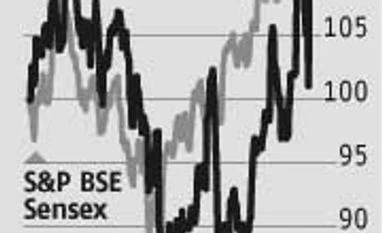
In the past year, the Castrol stock has under-performed Gulf Oil as well as the Sensex. The reason for this is Castrol lagging Gulf oil in volume growth. In fact, it has reported a fall in volumes over the past five years (ending calendar year 2015), whereas Gulf Oil's volumes have fallen only once in five years (ending financial year 2016). Castrol's focus on maintaining its premium position versus peers has had a bearing on volumes. Gulf Oil's reasonably smaller market share (seven per cent) has also enabled it to grow faster, believe analysts.
However, things have changed. In the June and March quarters, Castrol managed to deliver volume growth of nine and five per cent, respectively. This is a key positive. Castrol enjoys leadership in the Bazaar (spare parts retailers or non-fuel stations) segment, which caters to 82 per cent of demand in the auto lubricants replacement market. Consequently, the Street rewarded the stock. Castrol (up 10 per cent) has outperformed Gulf Oil Lubricants (up seven per cent) and the Sensex (two per cent) in the past month.
At current levels, Castrol trades at 33 times CY16 estimated earnings or a 11 per cent premium to Gulf Oil, which commands an FY17 estimated price-to-earnings ratio of 29 times. Even though Gulf Oil is likely to continue performing well and garner market share given its low base (versus Castrol’s 22 per cent), it is likely to be from other players or the unorganised sector. With Castrol also gaining market share, analysts believe its stock premium will sustain. Superior return ratios and distribution network, strong brand recognition and significantly large size (over three times Gulf Oil in revenue and profit) are key factors driving premium valuations.
This is the second time in 2016 that BP has trimmed stake in Castrol. In May, it brought down its stake from 71 per cent to 59.5 per cent. Both the times, there was high volatility in Castrol’s share price. The BP management’s statement that it intends to continue being the largest shareholder in Castrol removes the fear of further stake sale. Thus, investors can expect the stock to track fundamentals.
In the past year, the Castrol stock has under-performed Gulf Oil as well as the Sensex. The reason for this is Castrol lagging Gulf oil in volume growth. In fact, it has reported a fall in volumes over the past five years (ending calendar year 2015), whereas Gulf Oil's volumes have fallen only once in five years (ending financial year 2016). Castrol's focus on maintaining its premium position versus peers has had a bearing on volumes. Gulf Oil's reasonably smaller market share (seven per cent) has also enabled it to grow faster, believe analysts.
At current levels, Castrol trades at 33 times CY16 estimated earnings or a 11 per cent premium to Gulf Oil, which commands an FY17 estimated price-to-earnings ratio of 29 times. Even though Gulf Oil is likely to continue performing well and garner market share given its low base (versus Castrol’s 22 per cent), it is likely to be from other players or the unorganised sector. With Castrol also gaining market share, analysts believe its stock premium will sustain. Superior return ratios and distribution network, strong brand recognition and significantly large size (over three times Gulf Oil in revenue and profit) are key factors driving premium valuations.

Don't miss the most important news and views of the day. Get them on our Telegram channel
First Published: Sep 21 2016 | 10:22 PM IST