


Why 'Dil Dhadakne Do' is actually about corporate India
An overleveraged promoter needing equity infusion is just the start, the film has corporate tropes everyone can recognise
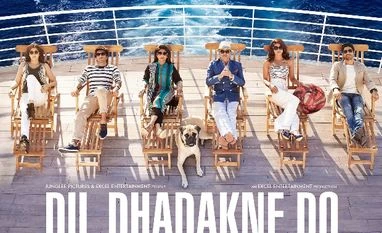)
‘Dil Dhadakne Do’ is an interesting film for the family, but there are many things in the movie that corporate executives or those tracking India Inc are more likely to identify with.
For starters, Anil Kapoor runs a debt-laden company which is sorely in need of fresh equity. He has no willing investors, and as one of the protagonists in the movie even says, ‘Market mein uska naam kharaab hain’, or words to that effect. The banks are reluctant to lend him more money, despite a 25-year old relationship. It could be on account of the crippling non-performing assets that the banking sector is already struggling under, though this is not dealt with explicitly in the film.
He eyes a potential opportunity for fund infusion through the assistance of the cash-rich promoter of another company. A match between his son, played by Ranveer Singh, and the moneybag’s daughter will set his balance sheet right, believes Anil Kapoor, and promptly goes to work. Most of the movie deals with his attempts to get this right, and what happens when the people involved have other plans. In the real world, though, lenders make a lot of effort to salvage anything they can, while promoters have other plans.

Many such companies also deal with succession issues, a problem the film also addresses. Kapoor wants his son to take over the family business. But he is a little short on experience, and even shorter on actually-wanting-the-job. Like in the real world, there does not seem to be a solution to the problem.
An interesting appearance is made by a plane that Singh loves to fly but his father sells to pare his debt. It wasn't clear if the plane was part of the company in the first viewing, but if so, most investors would say that it was a good move to get rid of unproductive assets. But the fact that his son was using it as a hobby-vehicle highlights corporate governance practices common to many Indian firms.
Singh’s sister (Priyanka Chopra) has diversified away from the traditional manufacturing base of the family. She instead runs an e-commerce company. The film cleverly deals with the alienation of women entrepreneurs by having just one scene which shows her sitting at her desk, and then walking away. A number of characters talk about how successful she is; but there are no specific references to profits, any private equity fund-raising that the e-commerce venture has managed; or clear mention of the specifics of her business.
Anil Kapoor’s firm is dealt with far more extensively. Scenes detail a client meeting, a discussion about currency fluctuations, political equations affecting a potential deal, even a tour of the factory, besides all the talk of the firm's balance sheet issues.
Anushka Sharma plays a dancer on a ship and, like a retail investor, is open to a short-term relationship. Singh now plays the role of the wily promoter, and attempts to draw her into a longer commitment. All of this is in the background of a cruise to celebrate the marriage anniversary of Kapoor and his wife Shefali Shah. Kapoor shares the same kind of relationship that many promoters share with minority shareholders. There is a fair amount of infidelity, but both parties pretend it doesn’t exist.
It would be unfair to talk about what happens at the end, but it would not be entirely inaccurate to say that there is an attempt at regulatory action by uniformed personnel. Worth watching; if for nothing else than to see Bollywood actors play everyone you know in India Inc .
(Sachin P Mampatta covers equity markets for Business Standard)
Don't miss the most important news and views of the day. Get them on our Telegram channel
First Published: Jun 18 2015 | 8:59 AM IST