


RBI likely to grant lenders greater authority for small loan recovery
Last year, the Reserve Bank of India asked lenders to halt locking phones of defaulting borrowers
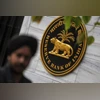 "RBI, Reserve Bank of India")
The rules will mandate prior consent from borrowers and prohibit lenders from accessing personal data on locked phones| Image: Bloomberg


Listen to This Article
India's central bank plans to allow lenders to remotely lock mobile phones bought on credit if the borrowers default on those loans, two sources said, in a move aimed at curbing bad assets that is likely to raise consumer rights concerns.
Over one-third of consumer electronics, including phones, are purchased on small-ticket loans in India, a 2024 study by Home Credit Finance showed. The country of over 1.4 billion people has more than 1.16 billion mobile connections, according to the telecom regulator, reflecting deep market penetration.
Last year, the Reserve Bank of India asked lenders to halt locking phones of defaulting borrowers, the sources said. The practice involved using an app installed at the time of loan issuance to lock the devices.
After consultations with lenders, the RBI is expected to update its Fair Practices Code within months, introducing guidelines on phone-locking mechanisms, the sources said.
The rules will mandate prior consent from borrowers and prohibit lenders from accessing personal data on locked phones, they said.
Also Read

 "RBI, Reserve Bank of India")
 "Reserve Bank of India, RBI")
 "RBI, Reserve Bank of India")
 "Tax on pension corpus: Jaitley just shrank your retirement kitty")
"The RBI wants to ensure that lenders have the power to recover small ticket loans, and at the same time ensure that customers' data is protected," said one of the sources.
A spokesperson for the RBI did not immediately respond to a request for comment. The sources declined to be identified as they are not authorised to speak to the media.
If implemented, the measure could benefit major consumer lenders such as Bajaj Finance, DMI Finance and Cholamandalam Finance by boosting recoveries and easing loans to customers with poor credit.
Loans below Rs 100,000 ($1,133) are at greater risk of default, with some of the highest delinquency rates, according to credit bureau CRIF Highmark. Non-bank lenders account for 85 per cent of consumer durable loans.
Personal loans make up nearly one-third of the total non-food credit in India's banking system, central bank data shows, with those for electronic items such as phones rising rapidly.
Consumer advocates warn of potential exploitation for millions if the change is implemented.
"This practice weaponizes access to essential technology to enforce behavioural compliance, locking users out of livelihoods, education, and financial services until repayment," said Srikanth L., founder of advocacy group CashlessConsumer.
(Only the headline and picture of this report may have been reworked by the Business Standard staff; the rest of the content is auto-generated from a syndicated feed.)
More From This Section

 "FDI")
 "Bank, NBFC")
 "BANKS, NBFC")
Don't miss the most important news and views of the day. Get them on our Telegram channel
First Published: Sep 11 2025 | 2:32 PM IST