


Can toxin level tests improve your health, or just drain your wallet?
Toxin tests are trending, but doctors warn they're not routine screens-here's when you actually need them, and what not to fall for on social media
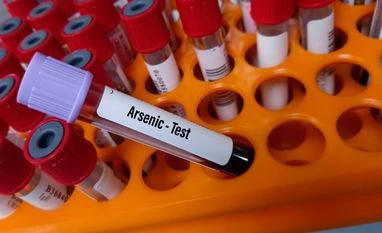 "toxin level tests, wellness fads, detox trend")
Toxin level tests are trending, but experts warn against overuse and unnecessary detox fads. (Photo: AdobeStock)
Listen to This Article
You’ve probably seen celebrities talk about “toxin level tests.” Actor Samantha Ruth Prabhu recently mentioned getting one, sparking widespread curiosity. But should you be lining up for one too—or is it just another wellness fad feeding health anxiety?
What exactly is a toxin test?
According to Dr Manisha Arora, Director – Internal Medicine, CK Birla Hospital, Delhi, our bodies sometimes absorb harmful heavy metals like mercury, lead, or arsenic. In large amounts, these can be dangerous.
Toxicology screenings can detect these metals in your blood or urine. However, unlike cholesterol or sugar tests, they’re not routine. “Routine toxicology screening has limited clinical utility,” Dr Arora said. “It’s only for high-risk groups or when there’s strong suspicion of poisoning.”
Does a high toxin reading mean you’re in danger?
Not necessarily. Dr Satish Koul, Senior Director & Unit Head, Internal Medicine at Fortis Gurgaon, explains that elevated toxin levels may just reflect recent exposure—not necessarily long-term harm.
It depends on:
Also Read

 "child vaccine, Immunisation, vaccination")
 "public toilets, toilet")
 "wrinkles, skincare, men, laughing man")
 "sleep anxiety")
 "PCOS and role of parents")
- The type of toxin
- How long and how intensely you were exposed
- Your individual vulnerability (children are especially sensitive)
Are there medical cut-offs for concern?
Yes, but only for some substances. Global bodies like the WHO and CDC offer benchmarks:
- Lead above 5 µg/dL in children
- Mercury above 10 µg/L in adults
Still, doctors caution that numbers must be interpreted alongside symptoms and exposure history.
Who actually needs a toxin test?
Doctors advise testing only when medically indicated—for example:
- Children with developmental delays possibly linked to lead exposure
- People with unexplained neurological, kidney, or liver problems
- Workers in shipyards, painting, metal industries, or contaminated zones
Otherwise, there’s little benefit in getting tested.
What happens if your toxin levels are high?
Treatment depends on how high the levels are and whether symptoms are present:
- Mild cases: Avoid further exposure (e.g., cut seafood if mercury is high)
- Moderate cases: Focus on hydration, diet (iron, calcium, vitamin C help)
- Severe cases: May need medical treatments like chelation under supervision
Important: Chelation is a serious medical therapy—not a wellness spa detox.
Are detox programs safe?
Doctors urge caution. Many social media cleanses and detoxes lack scientific evidence and can even be dangerous. “Chelation is only for proven toxicities,” said Dr Arora. “Otherwise, it depletes essential nutrients and delays proper diagnosis.”
So, should you worry about toxins at all?
Yes, but not the way Instagram makes you believe. Prevention is more effective than panic.
Doctors recommend:
- Drink clean, filtered water
- Eat a balanced diet; avoid high-mercury seafood
- Ensure safe work environments
- Support your liver and kidneys (your natural detox organs)
- Seek medical advice if you have symptoms or real risk factors
As Dr Koul summarised: “Stay aware, not alarmed. For most people, the chance of having clinically significant toxin levels is very low. The focus should be on practical everyday steps, not fads.”
For more health updates, follow #HealthWithBS
This content is for informational purposes only and is not a substitute for professional medical advice.
More From This Section
 "US healthcare")
 "Donald Trump, Trump")
 "facial expressions ageing, wrinkles, skincare")
 "magnesium deficiency")
 "multivitamins, daily supplements")
Topics : Health and Wellness Health with BS BS Web Reports Detoxify your Body Naturally health news Health Ministry
Don't miss the most important news and views of the day. Get them on our Telegram channel
First Published: Sep 22 2025 | 12:25 PM IST