


How will humans look by 2050 if we don't stop scrolling? AI predicts
A new AI projection by step-tracking app WeWard imagines how a sedentary, screen-obsessed lifestyle could reshape the human body - with swollen feet, curved spines and bloodshot eyes becoming the norm
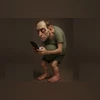 "AI human model 2050, WeWard Sam projection, sedentary lifestyle effects")
Sedentary Sam was created by step-tracking app WeWard using global medical data and an AI prompt on ChatGPT. (Photo: WeWard)
Listen to This Article
A new AI model has created a disturbingly realistic image of what humans might look like in 2050 if we don’t change our current habits. Built by step-tracking app WeWard using real health data and an AI text prompt, the figure, named 'Sam', shows the physical toll of years of sitting, scrolling, and slouching. From swollen ankles to sagging posture, Sam is a warning.
How did the AI model create this future human?
To build Sam, WeWard used a detailed text prompt describing future physical attributes based on existing health trends. The prompt read:
“I’m going to upload several images following this message. I want you to create a three-dimensional rendered model of the person in the photos. They should be hunched over a phone with a glowing screen, facing the viewer slightly so that we can see both their facial features and posture. Their eyes should be red and bloodshot, and also give them the following features: weight gain in abdominal area, ‘tech neck’ and a forward-tilting head and curved upper back, visibly swollen ankles and swollen feet, bulging varicose veins, slightly sunken or weak facial muscles, thinning hair, red eyes and dark eye circles, visible eczema and pale complexion. They should look like a spooky cartoon caricature but still highly resemble the person.”
This input, combined with health data trends, helped form a disturbing but realistic projection of the average inactive human in 2050.
What does ‘Sam’ reveal about our daily habits?
With the rise of remote work, food delivery apps, and digital entertainment, we are constantly seated, and screens have quietly stolen our movement.
Also Read

 "kidney disease")
 "heat, climate change")
 "brain structure, brain health")
 "Blood tests")
 "kidney health")
Sam is overweight, hunchbacked, puffy, and prematurely aged. The model captures a stark list of medically recognised issues linked to long-term inactivity:
- Excess fat around the abdomen (higher risk of heart disease)
- Curved spine and “tech neck” from poor posture
- Swollen legs and varicose veins from poor circulation
- Muscle loss, reduced collagen, and thinning hair
- Bloodshot eyes, dry skin, and dark circles from excessive screen time
Why does sitting for long hours and high screen time harm health so drastically?
According to multiple studies, sitting for most of the day slows metabolism, disrupts circulation, and stresses muscles and joints. Inactivity is now linked to stroke, Type 2 diabetes, certain cancers, and dementia.
The blue light emitted by phones and laptops can accelerate skin ageing and hyperpigmentation. Meanwhile, reduced blinking and prolonged focus on near screens can cause blurred vision, dry eyes, and headaches.
Is there still time to reverse this future?
The WeWard team said in their blog post that the point of Sam is not fear but a reality check. Even short, regular movements such as walking, stretching, or standing breaks can dramatically protect your long-term health.
As the team wrote, “Your future self depends on the choices you make today.”
For more health updates, follow #HealthWithBS
This content is for informational purposes only and is not a substitute for professional medical advice.
More From This Section
 "Mpox")
 "Covid-19, pregnancy")

 "breast cancer, mammogram")
 "fact check, Thyroid")
Topics : Artificial intelligence Health with BS BS Web Reports Artificial Intelligence in health ChatGPT health news lifestyle Screen addiction
Don't miss the most important news and views of the day. Get them on our Telegram channel
First Published: Nov 03 2025 | 4:47 PM IST