


Is desk life the new danger? How office jobs are raising cancer risk
On World Cancer Day, doctors warn that long sitting hours, stress, poor sleep and processed diets linked to desk jobs may be increasing cancer risk among professionals in their 30s and 40s
 "World Cancer Day, desk jobs cancer risk")
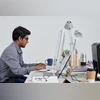
Desk-bound routines and sedentary work habits are increasingly linked to higher cancer risk. (Photo: Freepik)
Listen to This Article
For millions of working professionals, long hours at a desk have become a badge of commitment. Back-to-back meetings, late-night emails and food ordered between calls are now routine. But on World Cancer Day, doctors are sounding a quiet warning – the modern desk-bound lifestyle may be nudging cancer risk earlier into life, particularly among people in their 30s and 40s.
“Desk jobs and an always-on work culture are shifting cancer risk into working life,” says Dr Rakesh Kumar Sharma, Senior Consultant Medical Oncologist at M | O | C Cancer Care & Research Centre, Gurugram. “What worries us is that many of these risks operate silently, long before symptoms appear.”
Hidden habits raising cancer risk in the 30s and 40s
Doctors point to a cluster of work-linked habits that quietly raise cancer risk during peak career years:
- Prolonged sitting across work, commuting and screen time at home
- Weight gain and central obesity driven by inactivity and stress
- Irregular meals, late-night snacking and heavy reliance on food delivery
- Poor sleep due to late screens and work stress
- Minimal daylight exposure, disrupting circadian rhythm and immunity
“These factors combine to create hormonal and metabolic conditions that favour cancer development,” Dr Sharma notes.
ALSO READ | Why returning to 'normal life' after cancer isn't medically simple
Why prolonged sitting is a cancer risk
Sedentary work is no longer just about back pain or poor posture. Research increasingly shows that prolonged sitting, often eight to ten hours a day, triggers biological changes that promote cancer.
Also Read

 "thyroid disorders baby health")
 "Sam Altman")
 "global aid cuts Lancet study")
 "Piyush Goyal, Piyush")
 "qatar")
“When the body sits for long stretches, large muscle groups remain inactive,” explains Dr Gajanan Kantikar, Surgical Oncologist at Ruby Hall Clinic. “This leads to insulin resistance, chronic low-grade inflammation and reduced immune surveillance, all of which can encourage abnormal cell growth.”
Crucially, this risk exists even in people who exercise for 30–40 minutes but remain sedentary for most of the day. Gym time cannot fully undo the damage of uninterrupted sitting.
As Dr Unmesh Mukherjee, Consultant in Radiation Oncology at HCG ICS Khubchandani Cancer Centre, puts it, “The office chair isn’t a carcinogen by itself, but the biology it triggers can activate pathways that promote uncontrolled cell growth.”
Everyday workplace exposures that add to risk
Beyond sitting, everyday choices and environments amplify cancer risk:
- Ultra-processed foods and processed meats increase colorectal and other cancer risks through inflammation and gut microbiome changes
- Alcohol, even at social or moderate levels, raises the risk of breast, colorectal, liver and head-and-neck cancers
- Tobacco in any form – smoking, chewing, vaping or other products – remains a major cancer driver
- Urban air pollution exposes people to multiple carcinogens and significantly raises lung cancer risk
- Late-night screen use indirectly increases risk by worsening sleep, weight gain and inactivity
Cancers rising among young professionals
Doctors are increasingly seeing cancers once associated with older age appear earlier:
- Early-onset colorectal cancer is rising fastest, with annual increases of around 4–5 per cent among people aged 30–39
- Breast cancer in younger women is becoming more common
- Endometrial and some gastrointestinal cancers are also increasing
The strongest links with prolonged sitting and inactivity are seen in colorectal, breast and endometrial cancers.
Cancer warning signs younger adults should not ignore
Because younger adults often dismiss symptoms, diagnosis is frequently delayed. Red flags include:
- Persistent change in bowel habits, blood in stool, unexplained weight loss or fatigue
- New breast lumps, nipple discharge, skin changes or abnormal vaginal bleeding
- Non-healing mouth ulcers, white or red patches, chronic cough or hoarseness
“Any symptom lasting more than two weeks should be checked, regardless of age,” Dr Mukherjee stresses.
When should cancer screening begin
While individual plans must be personalised, doctors suggest these evidence-based benchmarks:
- Colorectal cancer: screening from age 45 for average risk, earlier with family history or bowel disease
- Breast cancer: mammography from 40–45, with breast awareness and clinical exams earlier
- Cervical cancer: HPV-based screening from 25, usually every five years if normal
- Lung cancer: low-dose computed tomography (CT) from 50 only for heavy current or former smokers
Persistent symptoms should always override age thresholds.
Cancer prevention tips for busy professionals
For men
- Break up sitting with three to five minutes of movement every 30–40 minutes
- Aim for at least 45 minutes of daily light exercise, such as walking
- Cut down processed meats and ultra-processed snacks and add fibre-rich foods
- Eliminate tobacco and keep alcohol truly occasional
- Discuss earlier screening if there is a strong family history of cancer
For women
- Combine regular walking or strength training with fibre-rich diets to manage weight and hormones
- Stay up to date with cervical screening from 25 and mammography from 40–45 or earlier if high risk
- Protect sleep with technology curfews and stress-reduction practices
- During pregnancy and postpartum, stay active safely and breastfeed where possible, both of which modestly reduce later breast cancer risk
- Cut down processed and ultra-processed foods
- Avoid tobacco and alcohol
“Our careers depend on our intellect,” Dr Mukherjee says. “But they are sustained by our biology. On World Cancer Day, the message is simple: stand up, move often, and don’t let your chair quietly shape your future health.”
For more health updates, follow #HealthwithBS
This report is for informational purposes only and is not a substitute for professional medical advice.
More From This Section
 "Himalaya, Himalayas")
 "cancer recovery")
 "NIPAH, BLOOD, BLOOD TEST")
 "cancer patient doctor")
 "staying up late heart risk")
Don't miss the most important news and views of the day. Get them on our Telegram channel
First Published: Feb 04 2026 | 1:14 PM IST