


Not hunger, but mood: Why stress and sadness trigger junk food cravings
A new study links ultra-processed food intake to emotional distress, showing how stress, sadness, and anxiety-not hunger-are driving junk food consumption globally
 "junk food, Ultra-processed foods")
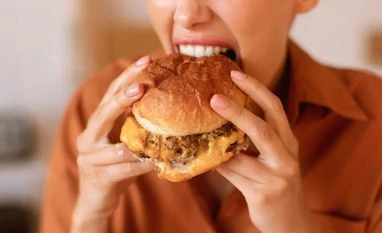
Ultra-processed foods or junk foods are industrial creations loaded with additives like flavour enhancers, emulsifiers, and preservatives. (Photo: AdobeStock)
Listen to This Article
Ever wondered why we reach for that bag of chips or tub of ice cream when we’re feeling down, stressed, or just bored? Science has an answer. A new study has found that our cravings for ultra-processed foods (UPFs) may be less about hunger and more about what’s going on in our heads and hearts.
Craving comfort: Why mood drives us to ultra-processed foods
The research, titled Factors Affecting Ultra-Processed Food Consumption: Hedonic Hunger, Food Addiction, and Mood, published in Food Science & Nutrition, surveyed nearly 4,000 adults in Turkey. It revealed a strong link between UPF consumption and symptoms of food addiction, depression, anxiety, and stress. This study highlights how deeply intertwined our food choices are with our mental health.
What are ultra-processed foods, and why do we crave them?
Ultra-processed foods or junk foods are industrial creations loaded with additives like flavour enhancers, emulsifiers, and preservatives. Think chips, packaged cookies, sugary drinks, and instant noodles—cravings often triggered when one is tired, stressed, or “not in the mood to cook.”
They are cheap, convenient, and very tasty—but low in nutrients and high in fats, sugars, and salt. In short, they are engineered to hook us, and they’re doing a good job at it.
Also Read

 "stress, mental health, heart health, women's health")
 "Security, Pulwama Security, Army, soldier")
 "Brain, Brain damage")
 "Exam resutls")
 "fact check, nutrition")
Who is more likely to binge on ultra-processed foods?
The researchers surveyed nearly 4,000 adults (aged 18–65) in Ankara, Turkey, and used scales like:
- sQ-HPF (to measure UPF consumption),
- Yale Food Addiction Scale (to detect signs of food addiction),
- DASS-21 (to assess levels of depression, anxiety, and stress),
- Power of Food Scale (to gauge hedonic hunger, which is eating for pleasure, not hunger)
Findings included:
- Younger adults (average age ~29) consumed more UPFs than older adults (~34)
- Women, single individuals, and unemployed respondents showed higher intake
- BMI didn’t significantly affect UPF consumption
Is food addiction real? Science says yes
More than 85 per cent of participants showed signs of food addiction. UPFs activate brain reward circuits—similar to those triggered by alcohol or nicotine—leading to cravings, loss of control, and withdrawal-like symptoms.
Do mood disorders influence food choices?
Yes. The study found a strong link between mood disorders (depression, anxiety, stress) and UPF intake. People experiencing emotional distress were more likely to reach for processed snacks as a coping mechanism.
Is hedonic hunger the driver of UPF intake? Not always
Despite the pleasure-driven appeal of junk food, researchers found people were not eating for fun—they were eating because they felt bad or were already addicted.
The mind–mouth connection: Healing begins with awareness
The study suggests that food addiction and mood are stronger predictors of junk food intake than appetite alone. To change diets meaningfully, mental health needs to be addressed alongside nutritional advice.
So next time you reach for that cookie or bag of chips, pause to ask: am I hungry—or just hurting? For more health updates and wellness insights, follow #HealthWithBS
More From This Section

 "nipah virus kerala")
 "Anxiety, fear, depression, mental health")
 "cat, feline")
 "women, women's health, ovarian cancer")
Topics : Health with BS BS Web Reports junk food fast food in India Health and nutrition Mental health health news Health Ministry
Don't miss the most important news and views of the day. Get them on our Telegram channel
First Published: May 12 2025 | 12:09 PM IST