


RBI warns cheap steel imports, dumping threaten India's domestic producers
India's steel imports rose 22 per cent in 2023-24 due to cheaper global prices, but growth slowed in the second half of 2024-25 after safeguard duties were imposed to curb dumping
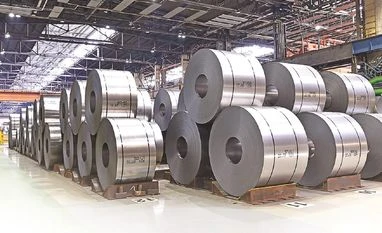 "steel, steel industry")
During the first half of 2024-25, imports expanded by 10.7 per cent before contracting in the second half.


Listen to This Article
India’s steel sector has come under strain due to a surge in cheap imports and dumping from major global steel producers, according to the Reserve Bank of India’s (RBI) latest October Bulletin. The central bank warned that the inflow of low-priced steel has hurt the competitiveness of domestic producers, urging the need for policy measures to safeguard the industry.
An article, titled “Steel Under Siege: Understanding the Impact of Dumping on India”, published in the RBI's October Bulletin, stated that the rise in steel imports, driven by lower international prices, has adversely impacted domestic production. “The dumping of cheap steel from global producers may pose a risk to domestic steel production, which can be mitigated through suitable policy measures. The recent initiative to impose the safeguard duty provides insulation against import dumping,” the article said.
Imports surge despite domestic demand growth
India’s iron and steel imports grew by 22 per cent in 2023-24, fuelled by falling global steel prices. During the first half of 2024-25, imports expanded by 10.7 per cent before contracting in the second half, largely due to the government’s safeguard duties aimed at curbing dumping.
Nearly 45 per cent of India’s imported steel came from its top five trade partners, namely South Korea (14.6 per cent), China (9.8 per cent), the US (7.8 per cent), Japan (7.1 per cent), and the United Kingdom (6.2 per cent). The RBI article noted that imports from China, Japan, South Korea, Indonesia, and Vietnam had risen notably during 2024-25.
Also Read

 "steel, steel industry")
 "steelmakers, steel")
 "Jindal steel angul plant")
Domestic production struggles
India’s steel consumption has grown steadily, rising by an average of 12.9 per cent from April 2022 to November 2024. However, domestic production has not kept up with the demand, widening the gap between consumption and local output since 2022.
The report added that steel prices have eased since April 2022, both in India and globally, which, while beneficial for consumers, has placed additional stress on Indian manufacturers facing cheaper imports.
“In recent times, India’s steel sector has encountered challenges due to increased imports and competitive pricing from major steel-producing countries,” wrote authors Anirban Sanyal and Sanjay Singh from the RBI’s Department of Statistics and Information Management. These developments, they said, have “affected domestic market share, lowered capacity utilisation, and added pressure on domestic producers".
Need for policy action and innovation
The RBI article said that a “balanced approach” is needed to strengthen the domestic steel industry. This includes policy support, innovation, cost efficiency, and sustainable production practices to enhance competitiveness.
The authors said that the sharp rise in imports has been primarily driven by low international prices, undermining domestic producers’ profitability. While the safeguard duties have offered temporary protection, more sustained measures may be required to prevent large-scale dumping in the future.
With China and other major steel-producing regions facing sluggish economic growth, global steel trade is being increasingly redirected toward high-growth markets like India. The article also warned that new US tariffs on steel imports could further increase the threat of dumping into the Indian market.
More From This Section
 "online shopping")
 "ecommerce, e-commerce")
 "Lakshman Jhula, Rishikesh")
 "PLI scheme")
 "electric vehicle, ev industry")
Don't miss the most important news and views of the day. Get them on our Telegram channel
First Published: Oct 22 2025 | 3:24 PM IST