


B'desh voters back reform proposals in referendum: What changes lie ahead?
A majority of Bangladeshi voters supported the reform package in Thursday's vote, paving the way for the next Parliament to act on proposed constitutional changes under the July National Charter
 "Bangladesh Elections")
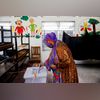
A woman votes in a designated area during the 13th general election in Dhaka, Bangladesh, on February 12, 2026. Photo: Reuters/Mohammad Ponir Hossain


Listen to This Article
A majority of voters in Bangladesh have backed the proposed reform package in Thursday’s referendum, which recorded a turnout of 60.26 per cent, the country’s Election Commission said on Friday, according to PTI.
Voting for the referendum, an 84-point reform known as the July National Charter, took place alongside the 13th parliamentary elections on Thursday. According to the Election Commission, around 48.07 million electors voted “Yes”, while around 22.57 million voted “No”. The Charter was announced by the interim government’s chief adviser, Muhammad Yunus, last year following consultations between political parties and the National Consensus Commission (NCC), which he led. Voters were given a Yes/No response option for the four broad reform areas.
According to Ali Reaz, key author of the July Charter and co-chair of the NCC, a majority approval of the package would enable the incoming Parliament to act as a constitutional reform council and virtually a constituent assembly. He added that Parliament would have 180 working days to initiate the proposed changes.
Of the 84 reform proposals, 47 require constitutional amendments, while the rest can be enacted through regular legislative or executive actions. The NCC said reforms not requiring constitutional change would be implemented through laws, ordinances, regulations, and executive orders.
Also Read

 "BNP Chairman Tarique Rahman")
 "Modi, Narendra Modi")
 "Torrent Pharma")
 "Fixed Deposit, FD")
 "Sheikh Hasina")
What are the proposals?
Some of the major proposals include a bicameral Parliament, including a 100-member Upper House formed proportionally based on parties’ vote share. Currently, Bangladesh has a single-chamber legislative house. It also includes provisions for a caretaker government and the functioning of the Election Commission and other Constitutional bodies during election periods.
Among the key proposals in the Charter is a 10-year term limit for a Prime Minister, and expanding executive authority vested in the President. For example, the President will be able to independently appoint the heads and members of National Human Rights Commission, Information Commission, Press Council, Law Commission, and Bangladesh Energy Regulatory Commission, a power that was until now vested in the prime minister and the chief justice of the country.
The nationality of all citizens of the country will change from 'Bengali' to 'Bangladeshi'. Redrawing of constituency borders will also be transferred from the Election Commission to a committee set up by Parliament.
Other proposals also include increasing women’s representation in Parliament, appointing a deputy speaker and parliamentary committee chairs from the opposition, strengthening fundamental rights, ensuring judicial independence and reinforcing local government, PTI reported.
BNP’s stance on July Charter in focus after poll win
Unofficial parliamentary results released by the Election Commission showed the Bangladesh Nationalist Party (BNP) winning 209 of 297 seats, while the Jamaat-e-Islami is likely to have secured 68 seats. The Awami League, led by former prime minister Sheikh Hasina, who was forced from office and is currently in exile in India, was barred from contesting the elections.
During the consultation process, the BNP took part but did not support all proposals. It said that such decisions should be made by the next Parliament, the report added.
More From This Section
 "pannun, Gurpatwant Singh Pannun")
 "Donald Trump, Trump")
 "Elon Musk")
 "Dmitry Peskov")
 "Gyanendra Shah")
Don't miss the most important news and views of the day. Get them on our Telegram channel
First Published: Feb 13 2026 | 9:57 PM IST