


India can be a manufacturing base for many parts of the world: Vipin Sondhi
Interview with MD & CEO, JCB India
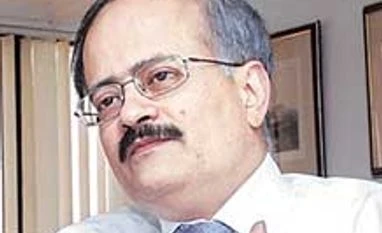 "Vipin Sondhi")


UK-based construction equipment giant JCB is gearing up for a pick-up in the construction industry's growth that it expects could occur later this year. The decline has bottomed out and JCB is responding by increased product offerings, strengthening local engineering teams and developing India as a manufacturing hub for exports, JCB India Managing Director and Chief Executive Officer Vipin Sondhi tells Sudheer Pal Singh in an interview. Edited excerpts:
The construction equipment industry has been grappling with a downturn. What is keeping you busy?
The past three years have been a period of decline in the infrastructure sector and there is, therefore, every reason to be busy as it is a part of the business cycle. In such times, one can work closely with the customer and grow market share, add new products, strengthen the distribution chain and work on inefficiencies and wastages.
We have done all this. We have set up new plants and have got ready for the next phase of growth. We have strengthened distribution. We have 600 outlets, up from 300 outlets four years ago. The number of dealers has also grown during this period from 45 to 60.
You have introduced three new products - load all, skid steer and gensets - in a depressed market...
The pace of addition of new products has not been impacted as we have faith in the medium-term and long-term growth of the economy. We have invested in India even in the downturn. We have invested in two new plants in Jaipur. The decision was taken in 2012 and the plants were inaugurated in November 2014. Nobody denies that there is an infrastructure deficit. The task is to work around the issues. Roads get built in the states, not the Centre.
So, it is states which will now have to pull growth. There have always been states that have grown faster and have got their governance act together to pull the development agenda. Many states are working on ease of doing business. States in the east and south-central regions like Telangana and Rajasthan in the north are certainly moving forward.
The trend and pace of road construction over the past two years has not been impressive. What is the outlook for order growth?
We are getting ready for higher levels of growth. There is no marked pick-up in activity in our sector. The past three years have been a period of decline and that decline has now bottomed out. This gives us a lot of confidence. We expect that by the last quarter of the current calendar year, the trend will start moving upwards. We want incremental movement forward every month.
The onset of the monsoon has always been a period of low construction. Project consultants are busy on several aspects, including DPRs of projects. This means project activity will come. Similarly, road tendering is taking place and implementation on the ground is likely to start playing out soon, post the monsoon.
Are you not deterred by the signs of rural distress, given the prominence of rural roads in your portfolio?
Overall, the de-growth in the areas we operate in has bottomed out. Rural demand plays a big role for us and it has to. The Prime Minister's Gram Sadak Yojana is a success story. The scheme worked well in Bihar, MP and Chhattisgarh even during the downturn years and there has been a constant movement of machines across the regions. We are trying to increase the applications for which a machine can be used. In the past year of decline in the market, we have introduced new models of products that already existed and also launched three new products.
With the announcement of initiatives like Make in India and Smart Cities, how and where does JCB fit into the scheme?
These are all good initiatives but JCB's part comes in when work begins on the ground, with the digging of the earth. JCB fits in wherever there is earthmoving and construction activity. The question is are we ready for that growth? Yes, we are ready with new products, people and with capacity. In addition, we are exporting machines to as many as 60 countries from India.
What part of your growth comes from India. Do you see it growing?
India contributes 17 per cent of global revenues. But the percentage in volume is higher because the pricing in India is lower than in European countries. We have machines that are focused on the Indian market and are now coming to use in the emerging markets as well. We have seen in India an opportunity to be a manufacturing base for many parts of the world.
We are now exporting over 20 per cent of our production, up from five per cent four years ago. How this contribution from India grows over the years will depend on where demand comes up. Our chairman has said India will be the largest contributor to revenues by 2018.
The construction equipment industry has been grappling with a downturn. What is keeping you busy?
The past three years have been a period of decline in the infrastructure sector and there is, therefore, every reason to be busy as it is a part of the business cycle. In such times, one can work closely with the customer and grow market share, add new products, strengthen the distribution chain and work on inefficiencies and wastages.

We have done all this. We have set up new plants and have got ready for the next phase of growth. We have strengthened distribution. We have 600 outlets, up from 300 outlets four years ago. The number of dealers has also grown during this period from 45 to 60.
You have introduced three new products - load all, skid steer and gensets - in a depressed market...
The pace of addition of new products has not been impacted as we have faith in the medium-term and long-term growth of the economy. We have invested in India even in the downturn. We have invested in two new plants in Jaipur. The decision was taken in 2012 and the plants were inaugurated in November 2014. Nobody denies that there is an infrastructure deficit. The task is to work around the issues. Roads get built in the states, not the Centre.
So, it is states which will now have to pull growth. There have always been states that have grown faster and have got their governance act together to pull the development agenda. Many states are working on ease of doing business. States in the east and south-central regions like Telangana and Rajasthan in the north are certainly moving forward.
The trend and pace of road construction over the past two years has not been impressive. What is the outlook for order growth?
We are getting ready for higher levels of growth. There is no marked pick-up in activity in our sector. The past three years have been a period of decline and that decline has now bottomed out. This gives us a lot of confidence. We expect that by the last quarter of the current calendar year, the trend will start moving upwards. We want incremental movement forward every month.
The onset of the monsoon has always been a period of low construction. Project consultants are busy on several aspects, including DPRs of projects. This means project activity will come. Similarly, road tendering is taking place and implementation on the ground is likely to start playing out soon, post the monsoon.
Are you not deterred by the signs of rural distress, given the prominence of rural roads in your portfolio?
Overall, the de-growth in the areas we operate in has bottomed out. Rural demand plays a big role for us and it has to. The Prime Minister's Gram Sadak Yojana is a success story. The scheme worked well in Bihar, MP and Chhattisgarh even during the downturn years and there has been a constant movement of machines across the regions. We are trying to increase the applications for which a machine can be used. In the past year of decline in the market, we have introduced new models of products that already existed and also launched three new products.
With the announcement of initiatives like Make in India and Smart Cities, how and where does JCB fit into the scheme?
These are all good initiatives but JCB's part comes in when work begins on the ground, with the digging of the earth. JCB fits in wherever there is earthmoving and construction activity. The question is are we ready for that growth? Yes, we are ready with new products, people and with capacity. In addition, we are exporting machines to as many as 60 countries from India.
What part of your growth comes from India. Do you see it growing?
India contributes 17 per cent of global revenues. But the percentage in volume is higher because the pricing in India is lower than in European countries. We have machines that are focused on the Indian market and are now coming to use in the emerging markets as well. We have seen in India an opportunity to be a manufacturing base for many parts of the world.
We are now exporting over 20 per cent of our production, up from five per cent four years ago. How this contribution from India grows over the years will depend on where demand comes up. Our chairman has said India will be the largest contributor to revenues by 2018.
Don't miss the most important news and views of the day. Get them on our Telegram channel
First Published: Jul 02 2015 | 12:48 AM IST