


Vedanta's Odisha plant to ramp up aluminium output
At Jharsuguda, Vedanta had installed two smelters at an investment of Rs 25,000 core
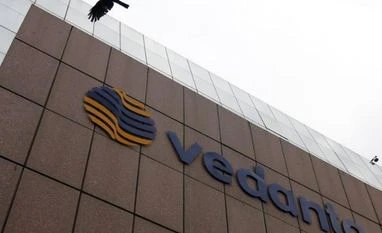)
A bird flies by the Vedanta office building in Mumbai


In a move that could be seen as a paradox to Vedanta’s move to shut down its Lanjigarh alumina refinery in the backdrop fall in global aluminium prices and lack of bauxite linkage, the company has initiated the process of stepping up aluminium production at its Jharsuguda smelter in Odisha.
The company, over the next six months, plans to ramp up aluminium production at the Jharsuguda facility from 0.5 million tonnes (mt) to 0.8 mt per annum.
“We had decided to shut down the alumina refinery, as present operational costs sans bauxite linkage are unviable. But in case of aluminium, there was a positive cash flow till last month. Though the metal prices have dipped further, we can still produce aluminium at Jharsuguda at a cost which is about same as the selling price,” said Abhijit Pati, CEO (aluminium), Vedanta Ltd.
Also Read

At Jharsuguda, Vedanta had installed two smelters at an investment of Rs 25,000 core with combined annual capacity of 1.75 mt, representing the largest single location aluminium facility in the world.
While it is currently operating one smelter of 0.5 mt per annum capacity, the second unit of 1.25 mt per annum, which had special economic zone status, was lying idle for the last two years due to dispute with the state government over access to power for the unit.
The company was asked to draw power for the unit from its own power plant (a 2,400 Mw station having independent power producer status located in the same complex) by paying cross subsidy charges that substantially pushed up the power rate, which accounts for nearly 50 per cent of the aluminium production cost.
Recently, the Odisha Electricity Regulatory Commission (OERC), in an interim relief, has waived off the cross subsidy charges, spurring the company’s decision to rev up the idle second smelter.
Already, 70 aluminium making pots of one production line of the smelter have been made operational through drawal of surplus power from the captive power plant (CPP) of the first smelter. Now with the OERC’s interim relief, we plan to fully operationalise one of the four production lines of the smelter which will enhance our aluminium production capacity at Jharsuguda from 0.5 mtpa to 0.8 mtpa over next six months, Pati said.
“In the process, we can reduce fixed cost burden of the idle smelter and accrue depreciation benefits,” he added.
With the Lanjigarh alumina refinery of the company, which is running at reduced capacity due to bauxite shortage, unable to meet the raw material need of the smelter, the company is currently importing alumina from South Africa and Australia to convert it to aluminium.
The cost of production of aluminium at Jharsuguda works out to $1,700 per tonne, which is the same as LME (London Metal Exchange) price of $1,600 per tonne plus $100 premium it fetches. The imported alumina is costing us $360 per tonne, including port handling and freight charges. With cost optimisation at Lanjigarh and Jharsuguda and slight improvement in LME metal prices over next one year, the smelter operation can be viable, Pati said.
INCREASE IN PRODUCTION
-
Vedanta plans to ramp up aluminium production at the Jharsuguda facility from 0.5 mt to 0.8 mt per annum
-
Vedanta had installed two smelters at an investment of Rs 25,000 core at Jharsuguda but the second one was lying idle due to dispute with state government
- The Odisha Electricity Regulatory Commission has waived off the cross subsidy charges, spurring the company’s decision to rev up the second smelter
Don't miss the most important news and views of the day. Get them on our Telegram channel
First Published: Sep 05 2015 | 10:50 PM IST