


Global food price falls again in November
Half of Oct gains wiped out due to excess inventory and bumper output estimates this year, El Nino fear continues
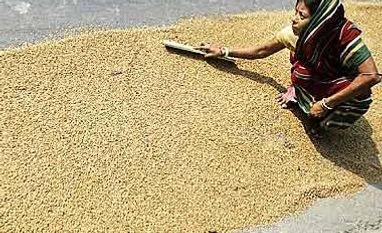 "Global food price falls again in November")
Major food commodity prices wiped out half of its October gains in November due to massive inventory and bumper output estimates for the 2015-16 season. Cost of internationally-traded staples, except for sugar, fell across the board in November.
In October, however, FAO's Food Price Index reported a four% jump to average at 162 points, the sharpest increase since July 2012.
Data compiled by the Food and Agriculture Organisation (FAO) of the United Nations showed global Food Price Index, the barometer for evaluating food price movement worldwide, at 156.7 points in November, 1.6% down from its revised estimated for October, and 18% below its value a year earlier.
World cereal production in 2015 is now forecast at 2 527 million tonnes, 2.6 million tonnes lower than last foreseen and 33.9 million tonnes (1.3%) below the 2014 record. Most of this month's downward revision reflects a lowering of maize and wheat forecasts, as that of barley was raised and that of rice kept unchanged.
The FAO Cereal Price Index fell 2.3%, with coarse grain prices falling even more due to favourable harvests in the United States, the world's largest maize producer and exporter.

In India, the production target is 6% higher than the reduced 2015 crop. However, lower irrigation supplies in the main reservoirs have significantly delayed planting activities in the kharif and rabi season.
As a result of lower yield in developing countries like India, total carryover cereal stocks are likely to decline by a marginal 0.5% at 643.5 million tonnes in 2015-16 as compared to 646.5 million tonnes in the previous year.
Meanwhile, vegetable oil prices fell 3.1% from October, aided by lower energy prices, and encouraging planting and production prospects for soy crops in South and North America.
FAO's Dairy Price Index also fell 2.9 percent amid thin volumes, suggesting that major importers have adequate stocks. Meat prices also fell, while sugar rose strongly for the third month in a row.
Also, global cereal utilization is projected to grow by one% in 2015-16, slower than in previous years, partly due to lower oil prices curbing industrial demand for biofuel crops. At 2529 million tonnes, demand will only require a modest drawdown from the world's currently large reserves.
As a result, the upcoming marketing season should be "generally comfortable", and world inventories by the close of season in 2016 will only be slightly below their record opening levels.
FAO warned that abnormal weather patterns associated with El Nino are expected to adversely impact cereal production in parts of Africa, Asia and Oceania, while several countries in Central America and the Caribbean, as well as in Asia, have already been affected. Dry weather in northern India also cut local cereal production in the 2015 season.
Don't miss the most important news and views of the day. Get them on our Telegram channel
First Published: Dec 03 2015 | 7:06 PM IST