


IndiGo crisis: How India's top airline avoided ₹100 cr fine, political heat
IndiGo came out of December's chaos with limited fines, leveraging market dominance, procedural delays, and strategic lobbying to navigate the crisis
 "indigo airlines, indigo")
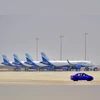
IndiGo controls nearly 65 per cent of India’s domestic aviation market, making it difficult for regulators to take extreme action (Photo: PTI)
Listen to This Article
The first week of December brought more than winter chills to India’s capital, it delivered chaos in the skies. As Parliament gathered for the Winter Session, airports across the country were gripped by scorching winds and, unexpectedly, by a crisis on the tarmac. IndiGo, the nation’s largest airline, stumbled into an unprecedented operational breakdown, grounding flights and leaving nearly a million passengers stranded, turning what should have been a routine travel month into a national spectacle of frustration and scrutiny.
The timing could not have been worse. December was expected to be a month of recovery, erasing the traumatic memories of the June Air India crash. Instead, Aviation Minister Ram Mohan Naidu found himself in the Rajya Sabha under intense scrutiny from opposition MPs. “We are not taking the situation easily,” Naidu said, promising a strict inquiry and stern action against all erring airlines.
Deciding the penalty for Indigo
Eventually, IndiGo was fined ₹22 crore and asked to furnish a ₹50 crore bank guarantee on January 17, the largest penalty ever imposed on an Indian airline. But an Economic Times report revealed that Naidu had initially planned a much harsher fine, potentially nearing ₹100 crore.
Also Read

 "Indigo")
 "Smog, Delhi Pollution, Delhi Air Quality, Pollution")
 "BSE, Stock Markets")
 "heat waves, heat wave, summer, hot, heat")
 "DGCA")
The original plan was to levy ₹1 crore per day from December 3 until February 10, covering the period when IndiGo operated under older pilot-duty rules. While this would have cost roughly ₹69 crore, the government ultimately opted for a lighter touch, seeming to balance public anger with pragmatic concerns about IndiGo’s market dominance.
Dominance, delays, and damage control
IndiGo controls nearly 65 per cent of India’s domestic aviation market, making it difficult for regulators to take extreme action. Other airlines simply do not have enough capacity to absorb a fraction of IndiGo’s flights, which means any disruption has wide ripple effects.
Adding to the airline’s burden is the cost of complying with new pilot-duty norms. Hiring 500–1,000 pilots could cost ₹500–1,000 crore annually, with a captain commanding around ₹8 lakh per month and co-pilots earning roughly half. The government, it seems, weighed these challenges before finalising the penalty.
Leadership gaps and missteps
The crisis also exposed leadership vulnerabilities. CEO Pieter Elbers, who is not formally accountable under Indian regulations, left for Amsterdam even as early signs of operational strain appeared in November, returning only on the third day of the crisis. Meanwhile, non-native executives concentrated decision-making, but were largely absent, leaving second-line managers scrambling without clear guidance.
Human resources missteps compounded the problem. A freeze on pilot hiring and promotions, aimed at cutting costs, ignored repeated warnings from operations leaders about staffing shortages. When the crisis hit, flights were delayed rather than cancelled, creating heightened chaos at airports nationwide.
DGCA scrutiny
The Directorate General of Civil Aviation (DGCA) initially issued a report that some officials felt was uneven, protecting certain executives while disproportionately targeting others. Notices to responsible leaders were delayed, enforcement action pushed into late January, and IndiGo leveraged procedural loopholes to stall regulatory action.
Looking ahead: Hiring and reforms
In the weeks following the December meltdown, IndiGo has moved to stabilise operations and shore up its workforce. The airline has ramped up pilot recruitment, aiming to hire 1,000 new pilots to prevent future disruptions and comply with stricter duty regulations. Training schedules are being accelerated, and second-line managers are being empowered to take faster operational decisions when senior leadership is away.
At the regulatory level, the crisis has reignited discussions on aviation reforms, with the DGCA reviewing penalty structures and enforcement mechanisms to ensure accountability in large-scale disruptions. For passengers, December’s chaos may be a distant memory, but for IndiGo and India’s aviation authorities, the challenge remains- building resilience, restoring trust, and avoiding another meltdown as travel demand continues to surge.
More From This Section
 "Changi airport, Singapore")
 "Indigo")
 "Civil Aviation Minister K Rammohan Naidu")
 "Air India")
 "K Ram Mohan Naidu, Civil Aviation Minister")
Topics : Kinjarapu Ram Mohan Naidu IndiGo IndiGo Airlines DGCA civil aviation sector Civil Aviation InterGlobe Aviation BS Web Reports
Don't miss the most important news and views of the day. Get them on our Telegram channel
First Published: Feb 14 2026 | 3:23 PM IST