


Glp1
Indian drugmakers take generic semaglutide battle to overseas markets
Dr Reddy's, Sun Pharma and Hetero lead the push as companies eye opportunities in Latin America, Africa and other emerging markets


US FDA flags blindness risk from GLP-1 drugs: What patients should know
The US regulator has called for new eye-related warnings on GLP-1 drug labels, but Indian safety data remains limited
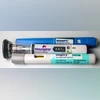
Ozempic, Wegovy to carry new FDA warning over rare risk of vision loss
Popular weight loss drugs including Ozempic and Wegovy will carry a new warning about a possible rare side effect that can sometimes lead to permanent vision loss, US health regulators announced Monday. The Food and Drug Administration said the risk will be added to the labeling of all GLP-1 drugs, the blockbuster medications used to treat obesity, diabetes and several other medical conditions. The class includes a dozen injectable or pill-based drugs, including widely used brands like Zepbound and Mounjaro. The eye condition, known as non-arteritic anterior ischemic optic neuropathy, can cause significant vision loss. The problem, which has been reported with all GLP-1 drugs, is caused by decreased blood flow to the optic nerve, although the underlying cause isn't understood, the FDA said. FDA scientists began looking into the problem after the publication of a 2024 medical paper tying the condition to certain patients taking semaglutide, the active drug in Eli Lilly's Ozempic. An
GLP-1 boom in India, China, Brazil can create $22 bn market: JP Morgan
The addressable market could grow at an annual rate of 15% through 2035, JP Morgan analysts led by Yang Huang said in a note on Friday, given the countries' large diabetes and obesity burdens

L'Oreal CEO says rise of weight-loss drugs impacting skincare consumption
L'Oreal is testing products on users of weight-loss drugs, as beauty companies explore treatments for skin changes associated with rapid weight loss
CDMO players bet on complex products such as biologics, peptides for growth
Next phase of growth hinges on biologics, peptides, and drug-device combinations, say industry executives

Semaglutide mkt settles into steady growth six months after patent expiry
Generic brands now account for about 74% of monthly units as lower-priced products expand access, while doctors say the initial rush around the drug is cooling

Egg bites, Burger bowls: McDonald's tests protein-rich menu for GLP-1 users
The fast-food giant is testing chicken and burger bowls, snack wraps and egg bites as some consumers on GLP-1 drugs seek smaller portions and more protein

Mounjaro sales soar 502% as India's GLP-1 drug market expands rapidly
Mounjaro has overtaken other GLP-1 medicines to become India's top-selling brand, as demand for newer diabetes and weight-loss treatments rises

The GLP-1 diet: How weight-loss drugs are changing packaged food business
Weight-loss drugs are changing what consumers buy, putting protein, fibre, smaller portions and nutrient density at the centre of the next packaged-food opportunity

Facelift: South Korean beauty firm targets 'Ozempic face' using human fat
South Korea's L&C Bio plans an injectable skin booster from donated human fat to restore facial volume, targeting cosmetic concerns linked to GLP-1 weight-loss drugs

Novo Nordisk's Wegovy gets CDSCO nod for treatment of fatty liver in India
Novo Nordisk India on Friday said it has received approval from the Central Drugs Standard Control Organisation for indication of its Wegovy injection for the treatment of fatty liver disease in India. The Central Drugs Standard Control Organisation (CDSCO) has approved a new indication for Wegovy (semaglutide injection 2.4 mg), Novo Nordisk India said in a statement. It makes Wegovy the first and only GLP-1 RA to be approved both globally and in India for the treatment of noncirrhotic Metabolic Dysfunction Associated Steatohepatitis (MASH) in adults with moderate to advanced liver fibrosis along with a reduced calorie diet and increased physical activity, it added. MASH is a liver disease that develops due to excess fat buildup in the liver, causing chronic inflammation and liver damage. Novo Nordisk India MD Vikrant Shrotriya said the burden of MASH continues to rise in India, but treatment options are still severely limited. People with MASH face a higher risk of serious liver .
Explained: Why Nestle is tweaking flavours for people taking GLP-1 drugs
Nestle's chefs are working with people taking GLP-1 drugs to develop new flavour combinations, including potentially using more spices and pepper to compensate for dulled taste perception

Nestle to remove artificial food colourings from all products by end-2026
The world's largest food company said the move extends its clean-label strategy globally as consumers increasingly seek simpler and healthier food ingredients

GLP-1 rush exposes capacity crunch at India's drug manufacturing firms
Demand for GLP-1 drugs such as semaglutide is exposing capacity gaps across peptide APIs, sterile fill-finish facilities, injector devices and glass cartridges

Piramal Pharma to stay away from generic GLP-1 race amid global rush
Piramal Pharma is avoiding the crowded GLP-1 peptide market, focusing instead on niche therapies and specialised manufacturing to drive CDMO growth in FY27

Ozempic-style drugs tied to slower cancer spread in major new study
New findings to be presented at ASCO 2026 suggest GLP-1 medicines may help reduce cancer progression, although experts say more trials are still needed

CDSCO asks states, UTs to monitor surrogate promotion for GLP-1 drugs
CDSCO has directed states and UTs to curb surrogate advertising of GLP-1 obesity drugs amid rising sales and aggressive awareness campaigns

Generic GLP-1 sales increase, but innovators retain market share
Over 25 versions of weight-loss drugs currently available in the market

Biocon eyes in-licensing opportunities to expand biosimilars portfolio
Biocon is scouting for biosimilar in-licensing opportunities while banking on multiple FY27 product launches to drive growth, margins, and market expansion
