


Monsoon damage: what home and car insurance actually cover
As rains bring flooding and waterlogging, know what your policy includes, what it doesn't, and the add-ons you may need to avoid costly repairs.
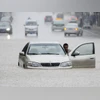 "A car stuck due to heavy rainfall")
A car stuck due to heavy rainfall
Listen to This Article
Every monsoon brings with it not just heavy rains but also a wave of anxiety for home and car owners. Waterlogging, seepage, and submerged vehicles often leave people wondering if their insurance will actually come to their rescue.
“Standard home insurance stays the same throughout the year, yet monsoons significantly increase the risks homeowners face,” says Saurabh Vijayvergia, founder and chief executive officer of CoverSure, an Insurancetech company.
What your home insurance may not cover?
According to Vijayvergia, home insurance policies typically cover serious losses caused by waterlogging and flooding, whether that involves structural weakening, ruined furnishings or failed appliances.
“However, slowly developed issues like seepage, damp walls, peeling paint and mould are often considered wear and tear,” he explains. “These are only covered when homeowners purchase specific riders.”
For those in flood-prone areas, Vijayvergia recommends considering additional protections such as flood cover riders, contents protection, and temporary accommodation coverage.
Also Read

 "insurance")

 "Dog, rabies")
 "Apple iPhone 16e")
 "TATA Tech")
Why is your car engine at greatest risk?
Floodwaters can wreak havoc on vehicles. “Engines often represent 60 to 70 per cent of a car’s value and can suffer catastrophic damage from water ingress,” says Vijayvergia.
While a standard comprehensive motor policy covers visible damage, Vijayvergia points out that it will not protect the engine from hydrostatic lock unless an engine protection add-on is included. “That add-on is essential when floodwater actually submerges your vehicle,” he says. He also advises opting for zero depreciation, consumables coverage, and roadside assistance to manage unexpected repair costs.
How to protect your claim during monsoon?
After any rain-related damage, swift and careful action is vital. “Photograph the scene before and after the incident, alert your insurer within 48 to 72 hours and avoid restarting flooded engines or making repairs until the damage has been assessed,” Vijayvergia advises.
He also stresses the importance of maintaining all supporting documents such as mechanic or contractor evaluations, repair bills and waterproofing records to reduce the chances of claim rejection.
“Insurance must align with real-world risks,” says Vijayvergia. “When monsoons bring waterlogging, mould, structural weakening and engine failures, only a thoughtfully structured policy will truly protect what matters.”
More From This Section
 "Residential property, home loan")
 "income tax bill, income tax, tax")
 "Real estate, Property prices, GST")
 "Groww")
 "EPFO")
Don't miss the most important news and views of the day. Get them on our Telegram channel
First Published: Jul 14 2025 | 5:09 PM IST