


Ice or heat: Which therapy to use for different types of pain, injury care
Should you reach for an ice pack or a hot compress? Experts explain how cold and heat therapies work differently and which one is best for your pain or injury
 "Hot and cold therapies")
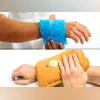
Hot and cold therapies play distinct roles in pain relief and healing. (Photo: AdobeStock)
Listen to This Article
Ever twisted your ankle or woken up with a stiff back? Chances are, you have heard the age-old advice: “Put some ice on it!” or “Use a hot water bottle.” But which one actually works, and when? This is one of those health puzzles that most us face but rarely get a clear answer to.
Dr Priyadarshi Amit, senior consultant and division head – upper limb surgeries, Amrita Hospital, Faridabad, decoded cold compress versus hot water fomentation, what is the difference between both, and how should you use them safely?
What’s the difference between cold compress and heat therapy?
Think of cold and heat therapy as opposites.
“Cold therapy works by constricting blood vessels, slowing down blood flow, and numbing the nerves. This reduces swelling and pain after an acute injury,” explained Dr Amit.
“Heat therapy does the opposite. It dilates blood vessels, increases circulation, and helps tissues relax. This makes it ideal for stiffness, muscle spasms, or chronic aches,” he added.
Also Read

 "Ozempic")
 "French fries")
 "kidney health")
 "Sleepwalking")
 "Cancer cells, infection")
Dr Amit breaks it down:
Cold: For fresh injuries and sudden pain
- Reduces blood flow
- Controls inflammation
- Decreases swelling
- Numbs pain
Heat: For later stages of recovery or in long-standing pain
- Increases blood flow
- Promotes healing by bringing oxygen and nutrients
- Helps muscles relax and recover
“For cold therapy, use an ice pack or frozen peas wrapped in a damp towel. Apply for 15–20 minutes at a time,” said Dr Amit. “For heat therapy, use a warm (not boiling) hot water bottle, heating pad, or microwavable pack wrapped in a towel. Again, limit it to 15–20 minutes.”
“Never sleep with a hot water bottle or leave ice directly on skin,” he warned.
When to use cold, when to switch to heat?
Injury healing broadly has three stages, said Dr Amit:
- Acute (0–72 hours): Inflammation is at its peak. Cold therapy is most effective here.
- Subacute (3 days–weeks): The body starts repairing tissue. You can begin to shift to heat once swelling and redness settle.
- Chronic (weeks–months): Tissues remodel, and stiffness becomes more prominent. Heat therapy is preferred.
Timelines to follow:
- Cold: 10–20 minutes per session, 2–3 times daily (first 48–72 hours)
- Heat: 10–20 minutes per session, 2–3 times daily once inflammation subsides.
“Stop cold if skin turns excessively red, numb, or blistered,” warned Dr. Amit. “Stop heat if swelling increases, pain worsens, or the skin burns.”
Which injuries respond better to cold and therapy?
Cold therapy
“Cold is best for acute injuries—sprains, ligament tears, bruises, contusions, and acute tendon inflammation,” said Dr Amit. “Anything that swells immediately after trauma usually responds well to cold therapy.”
Heat therapy
According to Dr Amit, “Heat is more effective in chronic conditions like osteoarthritis, rheumatoid arthritis stiffness, muscle spasms, and back pain. For fibromyalgia and sciatica, gentle heat often helps ease chronic tightness and pain.”
He added, “Some patients benefit from alternating heat and cold depending on their flare-ups.”
What are the risks of misusing cold and heat therapies?
“Using heat too early can worsen bleeding and swelling, making recovery slower,” Dr Amit cautioned.
“On the other hand, applying cold for too long or directly on skin can cause frostbite or skin burns. Both should always be used in moderation, with a barrier like a towel between the pack and skin,” he said.
Is contrast therapy (alternating hot and cold) effective?
“Yes,” said Dr Amit. “Contrast therapy boosts circulation and reduces muscle soreness. It is useful for athletes with post-exercise soreness, chronic joint pain, and sometimes arthritis. A common method is three to four minutes of heat followed by one minute of cold, repeated for 15–20 minutes.”
Extra precautions for high-risk patients
“Patients with diabetes or nerve issues must be very careful because they may not feel temperature extremes properly,” Dr Amit stressed.
Precautions include:
- Always wrap ice or heat packs in a towel
- Limiting use to 10–15 minutes
- Avoiding extreme hot or cold sources
- Checking skin regularly for burns, redness, or discolouration
What if neither therapy helps?
“If pain or swelling does not improve, or gets worse despite proper cold or heat use, it’s time to see a doctor,” advised Dr Amit. “It could indicate a more serious issue like a ligament tear, fracture, arthritis flare, or nerve problem that needs medical evaluation, imaging, or physiotherapy.”
Dr Amit stressed that if used wisely, these simple home remedies can speed up healing, ease pain, and help you bounce back to work (and play) faster.
For more health updates, follow #HealthWithBS
This content is for informational purposes only and is not a substitute for professional medical advice.
More From This Section
 "Sleep habits")
 "Fatty Liver")
 "blood pressure measuring")
 "early greying of hair")
 "patient, cancer, hospital, chemo")
Don't miss the most important news and views of the day. Get them on our Telegram channel
First Published: Aug 21 2025 | 10:16 AM IST