


World Brain Tumour Day: Why awareness and a healthy lifestyle matters
Brain tumours do not announce themselves. Learn how to read the signs, live smart and stay ahead with affordable test options and lifestyle tips that protect your brain
 "mri scan")
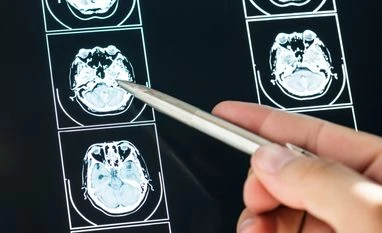
A health-conscious lifestyle plays a significant role in reducing overall cancer risk and promoting brain health. (Photo: Freepik)
Listen to This Article
Let’s be honest—brain tumours are not exactly a dinner table topic. But on World Brain Tumour Day, observed every year on June 8, it is worth pausing for that conversation. Early detection and preventive awareness can save lives. While some brain tumours are genetic or unavoidable, emerging research suggests that lifestyle choices may play a bigger role in prevention than previously believed.
According to the Indian Council of Medical Research’s Hospital-Based Cancer Registry data (2021), brain tumours accounted for 1.6% of all cancer cases. Every year, around 40,000–50,000 people in India are diagnosed with brain tumours. Of these, 20% are children. The average survival rate for all malignant brain tumour patients stands at only 34.4%.
What is a brain tumour and should you be worried?
A brain tumour is an abnormal growth of cells in or around the brain. There are over 120 known types of brain tumours, each with varying symptoms. These may be cancerous or benign—but even non-cancerous tumours can interfere with critical brain functions.
Common symptoms include:
Also Read

 "Covid-19 India 2025, Covid-19 surge India, active Covid cases India, coronavirus, masking")
 "Bedrotting")
 "Health_women")
 "Trekking")
 "Covid, coronavirus, Sars-CoV-2, covid testing")
- Persistent headaches, especially in the morning
- Nausea or vomiting without clear cause
- Seizures (appearing in adulthood)
- Vision or hearing disturbances
- Unexplained memory loss or personality changes
- Poor coordination or balance
“Early intervention helps prevent irreversible damage to areas controlling speech, movement, vision or memory. Early-stage tumours may respond better to surgery, chemotherapy or radiotherapy. Studies show that early detection is associated with longer survival, especially for lower-grade gliomas, meningiomas and some metastatic tumours. Early diagnosis also reduces caregiver burden, long-term disability and healthcare costs,” said Dr Puneet Malik, brain, spine and nerve specialist, Yashoda Super Speciality Hospital, Ghaziabad.
Can lifestyle help prevent brain tumours?
While not all brain tumours are preventable, a health-conscious lifestyle plays a significant role in reducing overall cancer risk and promoting brain health. You cannot change your genes, but you can reduce inflammation, manage stress and eliminate key risk factors.
Steps that support brain health:
- Eat brain-friendly foods: Leafy greens, berries, walnuts and fatty fish are rich in antioxidants and omega-3s that help reduce inflammation.
- Exercise regularly: 30–45 minutes of moderate activity, four to five times a week, has been linked to better brain health and lower cancer risk.
- Avoid toxins: Limit alcohol, quit tobacco and reduce exposure to carcinogens such as pesticides and unnecessary radiation.
- Sleep well and manage stress: Chronic stress and poor sleep weaken your immune system. Yoga, meditation and screen-time breaks help protect brain function.
- Stay informed: Get regular health check-ups, especially if you have a family history of neurological conditions or cancer.
Dr Malik added, “Avoid unnecessary CT scans or X-rays, especially in children. Minimise contact with pesticides, solvents and heavy metals. Use personal protective equipment if working in high-risk environments such as agriculture or chemical plants. Emphasise fruits, vegetables, whole grains, nuts and omega-3 fats. Avoid processed meats, refined sugars and excessive red meat. Antioxidants such as vitamins C and E may protect brain cells. Aim for at least 150 minutes of moderate aerobic activity each week. Prioritise 7–9 hours of sleep per night to allow brain detoxification. Consider genetic counselling if there is a strong family history.”
Dr (Lt Col) Harmandeep Singh Brar, neurosurgery, Fortis Hospital, Mohali, added, “Adoption of a healthy lifestyle, balanced diet, regular exercise, health check-ups and avoiding environmental hazards such as unnecessary radiation exposure can help in early detection and treatment.”
Brain health tests and how much they cost in India
If you are experiencing persistent symptoms or simply want to be proactive, the following tests are commonly recommended:
Test Purpose Estimated cost (₹)
MRI brain scan Detects structural abnormalities and tumours 4,000 – 12,000
CT scan (brain) Useful for detecting larger or fast-growing tumours 2,000 – 7,000
PET scan Helps identify malignant tumours 15,000 – 30,000
EEG (electroencephalogram) Evaluates brain’s electrical activity 1,500 – 5,000
Neurological consultation For reviewing symptoms and receiving guidance 500 – 2,000
Tip: Many hospitals offer health packages or discounts during awareness weeks. Check with local diagnostic centres for any current offers.
Final thought: Small steps, big difference
In a world full of processed foods, screens, stress and pollution, your brain needs all the help it can get. Whether it is a morning walk, a handful of almonds or finally booking that overdue scan—it all adds up. Take care of your brain. After all, it takes care of everything else.
For more health updates, follow #HealthWithBS
This report is for informational purposes only and is not a substitute for professional medical advice.
More From This Section
 "clinical trials")

 "Vaccine")
 "vaping, vape")
Don't miss the most important news and views of the day. Get them on our Telegram channel
First Published: Jun 09 2025 | 3:03 PM IST