


Your seemingly healthy habits may be damaging your heart: Here's how
Young, fit, and health-conscious? These everyday choices might still be quietly raising your heart disease risk
 "heart health, heart attack")
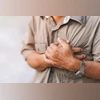
A healthy lifestyle can still hide heart risks if certain habits are taken to extremes. (Photo: AdobeStock)
Listen to This Article
Even well-intentioned lifestyle choices can harm your heart, if taken too far. If you believe Dr Dmitry Yaranov, heart-transplant cardiologist at Stern Cardiovascular in Tennessee, US, “any extreme is likely not good for you”.
Dr Yaranov, who also leads the advanced heart failure program at Baptist Memorial Hospital in Memphis, recently told Business Insider that he often sees younger patients in their 20s and 30s who arrive for chest pain or irregular heartbeats. Many arrive with traditional risk factors, only to discover that a seemingly harmless part of their weekly routine could be setting them up for future heart disease.
“You may look fit, but it doesn’t mean you’re healthy,” Yaranov said. He shared four everyday habits that seem healthy may actually increase the risk of heart disease, heart failure, stroke, and inflammation. Here’s what you need to know.
Excessive protein
Protein fuels muscle, hormone regulation, and weight loss. But when consumed in abundance, especially from red meat and ultra-processed protein supplements, it can backfire. Men in their 40s to 60s on high-protein, high-cholesterol diets were shown to have a 50 per cent higher risk of heart failure in a 2018 study, published in Circulation: Heart Failure – an American Heart Association journal.
Dr Yaranov notes that excessive protein can strain the kidneys and increase inflammation, which in turn puts your heart at risk.
Also Read

 "Sunscreen pills add support, but SPF creams remain your first defense (Photo: AdobeStock)")
 "Kids, family, parents, love")
 "Rajinikanth")
 "Mounjaro KwikPen")
 "Ambulance")
“I’ve seen bodybuilders and athletes who look great, but they lack balance when it comes to their diets,” Yaranov said. "They end up with weak hearts and blocked arteries.”
He recommends adopting balanced eating patterns such as the Mediterranean or Blue Zones diets, which prioritise heart-healthy proteins like fish and beans and emphasise anti-inflammatory foods such as fruits, vegetables, and whole grains.
Weekend bingeing
Even if you’re sober during the week, excessive drinking on weekends can still damage your heart. Binge drinking, even once in a while, can lead to arrhythmias, high blood pressure, and a weakened, enlarged heart (dilated cardiomyopathy). Yaranov noted that some of the sickest hearts he has seen in younger patients belong to those who consume excessive alcohol in a single sitting.
Dr Yaranov reminds us that there’s really no safe amount of alcohol. While guidelines suggest weekly limits (up to seven drinks for women, 14 for men), binge episodes still carry serious cardiovascular risk.
Binge drinking – four or more drinks per occasion for women, five or more for men, and adults over 65, must be avoided.
A small, moderate drink midweek is much wiser than heavy shots on Saturday night, he shared.
Frequent cannabis use
Marijuana may feel natural, but heavy daily use is increasingly linked to heightened risks of heart attack and stroke, even in younger, otherwise healthy users.
While research continues and some studies show mixed or neutral effects Dr Yaranov emphasizes the importance of not dismissing cannabis as harmless. Particularly when used frequently, it may pose unexpected cardiovascular dangers.
“With cannabis use as a daily habit, I think it's important for us to have this conversation now,” he said, speaking to Business Insider. “A lot of times, this comes from this idea that it's harmless because it's an herb. I don't think that's the case.”
Extreme workouts and poor sleep
Pushing your workouts to the extreme, especially without sufficient rest, can mask serious heart conditions and elevate risk.
Athlete’s heart is a condition where the heart muscle thickens from intense training and is common among endurance athletes. Though not inherently dangerous, it can disguise more serious problems like hypertrophic cardiomyopathy, a genetic but potentially fatal heart condition.
Moreover, skipping on sleep to squeeze in early workouts triggers inflammation and stress hormones like cortisol, raising both blood pressure and visceral fat, both major culprits in cardiovascular issues.
Moderation matters, whether it’s how much protein you eat, when you drink, how often you use cannabis, or how intensely you train, extremes can turn healthy practices into heart hazards.
For more health updates, follow #HealthWithBS
This report is for informational purposes only and is not a substitute for professional medical advice.
More From This Section
 "Organ Donation")
 "organ donation")
 "Brain death")
 "hospital, doctor")
 "Conch blowing")
Topics : Health with BS BS Web Reports heart health Heart diseases Heart Problem Cardiovascular disease
Don't miss the most important news and views of the day. Get them on our Telegram channel
First Published: Aug 14 2025 | 2:57 PM IST