


99% of heart patients missed these silent warning signs, finds study
A new study reveals that nearly everyone who suffers a heart attack or stroke had warning signs long before, but most never noticed them
 "heart attack, stroke, heart disease")
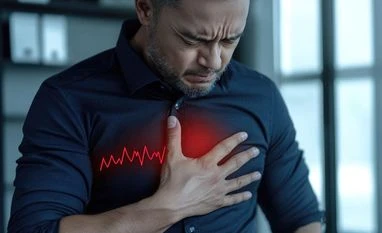
Doctors warn that early heart risk signs often go unnoticed until it’s too late. (Photo: AdobeStock)
Listen to This Article
Almost everyone who suffers a heart attack or stroke had warning signs long before it happened, they just didn’t notice them, according to a new global study. The study, titled Prevalence of modifiable risk factors before first cardiovascular events, examined health data from more than nine million people in South Korea and nearly 7,000 in the United States.
Published in the Journal of the American College of Cardiology, the research found that 99 per cent of people who experienced their first major heart problem had at least one risk factor such as slightly high blood pressure, raised cholesterol, high blood sugar, or a history of smoking.
According to the researchers, even modest increases, such as blood pressure above 120/80 mmHg or cholesterol slightly over 200 mg/dL, were enough to raise the risk. The study suggests that “optimal” levels, not just “normal” ones, matter when it comes to heart health.
What are the four signs that people ignore?
The study pinpointed four key indicators that quietly increase heart risk:
- High or borderline blood pressure (≥120/80 mmHg)
- Elevated cholesterol (≥200 mg/dL)
- Raised fasting blood sugar (≥100 mg/dL) or early diabetes
- Smoking history, even in the past
The study highlighted that even one of these signs is enough to put a person in danger.
Also Read

 "Delhi air pollution")
 "Pollution, Air pollution")
 "When you exercise may influence how efficiently your body burns fat, say doctors. (Photo: AdobeStock)")
 "pigeon")
 "healthcare, doctor")
Why do so many people miss these signs?
According to the authors, these numbers don’t always come with symptoms. For instance, slightly high blood pressure or sugar levels rarely cause discomfort, which is why millions assume they are healthy.
The researchers emphasise that “absence of symptoms doesn’t mean absence of disease.” Regular check-ups and lab tests are often the only way to spot trouble before it starts.
Can lifestyle changes really make a difference?
The researchers stress that most of these risks are modifiable, meaning they can be reduced or even reversed through lifestyle changes.
Simple steps like eating less processed food, exercising regularly, quitting smoking, and getting enough sleep can dramatically lower the odds of developing heart disease.
Even small improvements in blood pressure, cholesterol, or blood sugar can help prevent a lifetime of cardiac issues.
For more health updates, follow #HealthWithBS
This content is for informational purposes only and is not a substitute for professional medical advice.
More From This Section
 "air pollution")
 "tea and cigarette, chai sutta, nicotine caffeine")
 "weight-loss, mental health, body issues")
 "air pollution, marathon")
 "AI human model 2050, WeWard Sam projection, sedentary lifestyle effects")
Topics : Health with BS BS Web Reports health news Indian healthcare Heart attack stroke Heart diseases Cardiovascular disease
Don't miss the most important news and views of the day. Get them on our Telegram channel
First Published: Nov 06 2025 | 2:09 PM IST