


Downstream aluminium bodies seek lower import duty on primary aluminium
Industry associations say the current duty structure has enabled import-parity pricing by domestic producers, raising input costs and squeezing the profitability of downstream MSMEs.
 "aluminium")
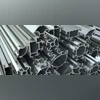
Representative image
Listen to This Article
Two downstream aluminium industry bodies have urged the Ministry of Mines to reduce the effective Customs duty on primary aluminium, saying the current tariff structure has enabled import-parity pricing by domestic producers, raising input costs and eroding the profitability of micro, small and medium enterprises (MSMEs).
In a joint representation submitted to the ministry on July 14, the Cable and Conductor Manufacturers Association of India (Cacmai) and the Federation of All India Aluminium Utensils Manufacturers said the effective import duty of 8.25 per cent on primary aluminium has become “a critical burden on downstream manufacturers” and sought its immediate rationalisation.
The demand comes amid a widening debate over India’s aluminium tariff regime, with downstream manufacturers arguing that import protection for primary producers has made raw materials costlier for them. They say the duty enables domestic producers to charge import-parity prices by factoring in the effective Customs duty of 8.25 per cent, increasing their raw material costs. Primary producers, however, argue that the levy is necessary to protect domestic smelting capacity.
Similar concerns were highlighted in the Ministry of Mines' Aluminium Vision document released last year, which estimated that the downstream industry paid about $470 million more than necessary to domestic primary producers in 2022 because of import-parity pricing. It said the extra burden came at the expense of investment and growth in value-added manufacturing.
Primary aluminium currently attracts a basic Customs duty of 7.5 per cent, along with a 0.75 per cent social welfare surcharge, taking the effective levy to 8.25 per cent.
Also Read

 "mining")
 "mining sector, mines")
 "manufacturing plant, auto making")
 "Electronics")
 "import, export, Customs")
The associations argued that manufacturers of cables, conductors, utensils, and other value-added aluminium products are facing an inverted duty structure. While primary aluminium attracts an effective duty of 8.25 per cent, several finished aluminium products continue to enter India at low or zero duty under free trade agreements (FTAs) with several countries.
The industry bodies said downstream MSMEs have seen margin compression of up to 70 per cent in recent years, reducing profitability and increasing the risk of plant closures and layoffs.
“Reduced profitability has curtailed reinvestment, capital expenditure on technology, pollution control upgrades, and capacity utilisation. Continued stress has increased the risk of layoffs, closure of units, higher downstream prices for consumers, and weaker export performance,” the representation said.
The associations also highlighted the sharp rise in global aluminium prices. According to the representation, international primary aluminium prices have increased from around $2,200 a tonne three years ago to more than $3,700 a tonne, driven by geopolitical tensions in West Asia, logistics bottlenecks, elevated freight costs, and volatility in energy markets.
They estimated that overall input costs have increased by 20-35 per cent over the past three months alone.
Echoing these concerns, a Global Trade Research Initiative report released in June estimated that import-parity pricing raises the cost of aluminium-intensive government infrastructure projects by about 3 per cent, affecting sectors such as power transmission, railways, Metro projects, renewable energy, and defence. It also estimated that India imported $4.1 billion worth of finished aluminium products in 2025-26, with nearly a quarter entering the country at low or zero duty under FTAs.
“The import-parity pricing mechanism imposes a cost burden on the cable and wire industry. Since the transmission sector is overwhelmingly driven by public investment, the inflated prices caused by the 7.5 per cent duty-added margin ultimately increase government expenditure. In effect, taxpayers bear the cost of higher-priced cables and conductors, making transmission infrastructure more expensive than it needs to be,” Sanjay Saboo, president of Cacmai, told Business Standard.
An email sent to the ministry seeking comments on the industry representation remained unanswered until the time of going to press.
More From This Section
 "Serum Institute of India")
 "petrol pump, petrol")
 "facebook, social media, social media apps, meta")
 "Industry analysts project the new GST rates could increase sales by 15-20% as retailers pass savings on to buyers. | File Image")
 "City and Industrial Development Corporation of Maharashtra (Cidco)")
Topics : Customs duty aluminium mines ministry
Don't miss the most important news and views of the day. Get them on our Telegram channel
First Published: Jul 16 2026 | 8:47 PM IST